
SPOTLIGHT
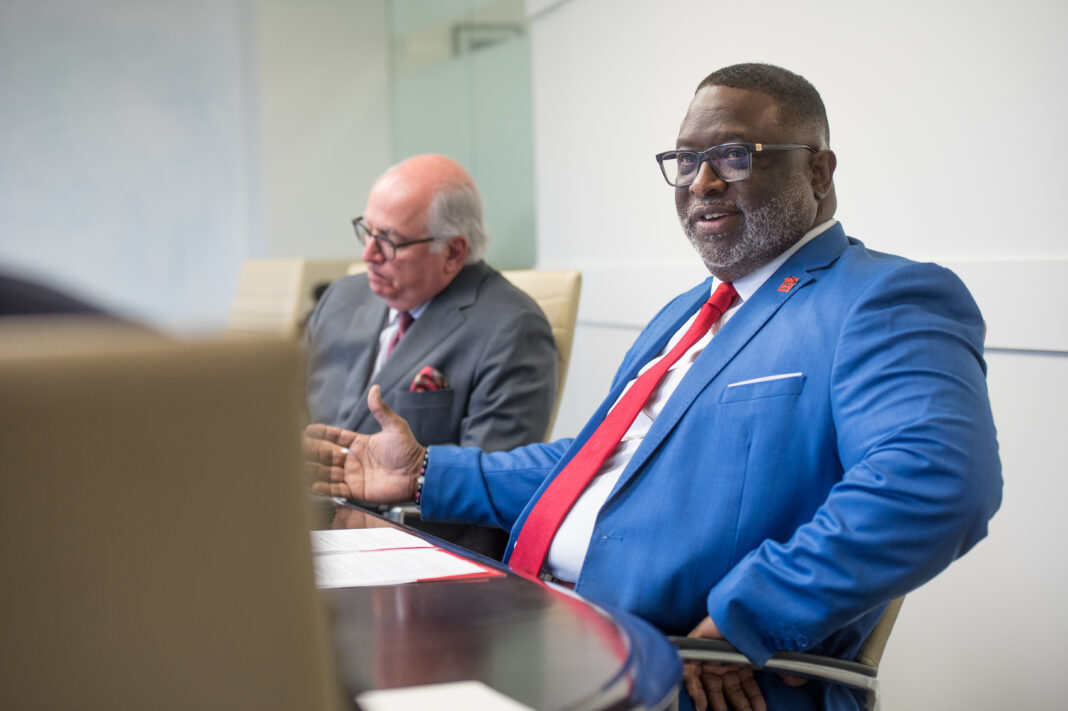
WILLIE E. SMITH, SR.
Chancellor, Baton Rouge Community College
“I think there is an opportunity for us to seize the moment to provide the services that this community and this state need. Attracting and keeping talent requires clear pathways. People want to see where a short-term credential leads and how they can keep advancing. When employers, colleges, universities and community partners work together, we can build a talent pipeline that grows our economy for the long term. We were recently in a meeting with LSU, the Workforce Commission, LED, and industry partners. The dean of the LSU engineering program said there is an opportunity for them to work more closely with BRCC because of the tremendous demand for industrial construction talent. These conversations can be the solution to address the workforce challenges in Baton Rouge.”
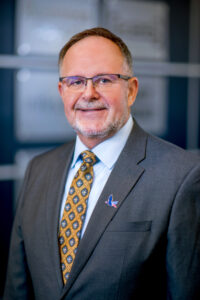
JEFF CONRAD
Chief Executive Officer, Pelican Credit Union
“During COVID, about 50% of our frontline staff turned over. These weren’t back-office jobs — they were tellers and branch staff. Many found remote work with out-of-state companies. The reality is banking has changed. Many jobs that once required only a high school education are disappearing. We’re replacing those roles with back-office positions that require computer science, data analytics, and accounting skills. We’ve struggled to fill those jobs locally. We primarily develop and promote talent from within, but we have had to recruit from out of state for some key positions. Students don’t realize the range of careers available in banking — CPAs, data analysts, IT professionals. Education and communication about existing career paths is a real gap, and that’s true not just in banking, but across Baton Rouge.”
DAVID CRESSON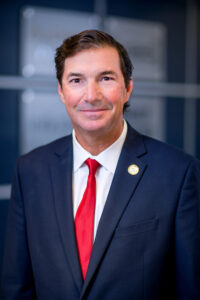
President and CEO, Louisiana Chemical Association and Louisiana Chemical Industry Alliance
“Every company I’ve visited across the state has raised workforce as a top challenge—not just for future expansion, but for current day-to-day operations. There are many good efforts underway, but the issue is coordination. We’re going to need tens of thousands of construction workers to build the projects coming to Louisiana. If we pull that workforce from other states, that’s a missed opportunity for our communities. We also need to move past the stigma that success only comes from a four-year degree. Trade careers offer excellent pay, benefits, and long-term stability. Coordinating these efforts now will pay dividends for decades.”
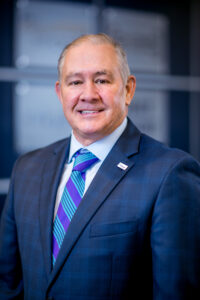 CHUCK DAIGLE
Chief Executive Officer, Ochsner Baton Rouge and Lake Charles
“We have partnerships with nearly every two-year, four-year, and vo-tech system, but the goal over the next five years is ambitious. We need to graduate 1,500 new medical students, complete training for 850 new residents and fellows, graduate nearly 7,000 new nurses and prepare almost 1,000 allied health professionals. The positions are open and ready to be filled. The challenge is that if we’re not getting in on the front end, we won’t have the applicants. With an aging population, those needs are only going to grow. We’ve got to continue alignment — not just with higher education, but with our public school systems. We have to expose young people to what jobs are available. There are thousands of open jobs in healthcare today. A four-year degree may not always be the solution, but if people don’t know where the opportunities are, they won’t pursue them.”
 CONNIE FABRE
President and CEO, Greater Baton Rouge Industry Alliance
“It’s exciting to see all the new projects coming to Louisiana, from carbon sequestration to new forms of energy. The challenge is that companies will bring in outside workers if they can’t find qualified people here. Since around 2012, the state has made significant progress through High School Redesign, the community and technical college system, and investments in two-year degrees and certifications. As a state, we recognized that most jobs don’t require a four-year degree. High schools are now required to offer career and technical education. Ninth graders select career pathways, and many graduate with certifications or two-year credentials. We need to expand our pool of skilled talent to meet the challenges of rising demand.”
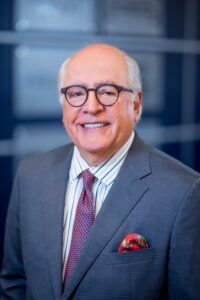 CHARLES LANDRY
Partner, Fishman Haygood
“I believe Baton Rouge has one of the best-trained, hardest-working workforces in the country. However, we don’t have a deep enough bench. We need to retain our existing skilled workforce and recruit new people to our community. That is why all of these quality-of-life projects are so critical to the success of Baton Rouge.”
