
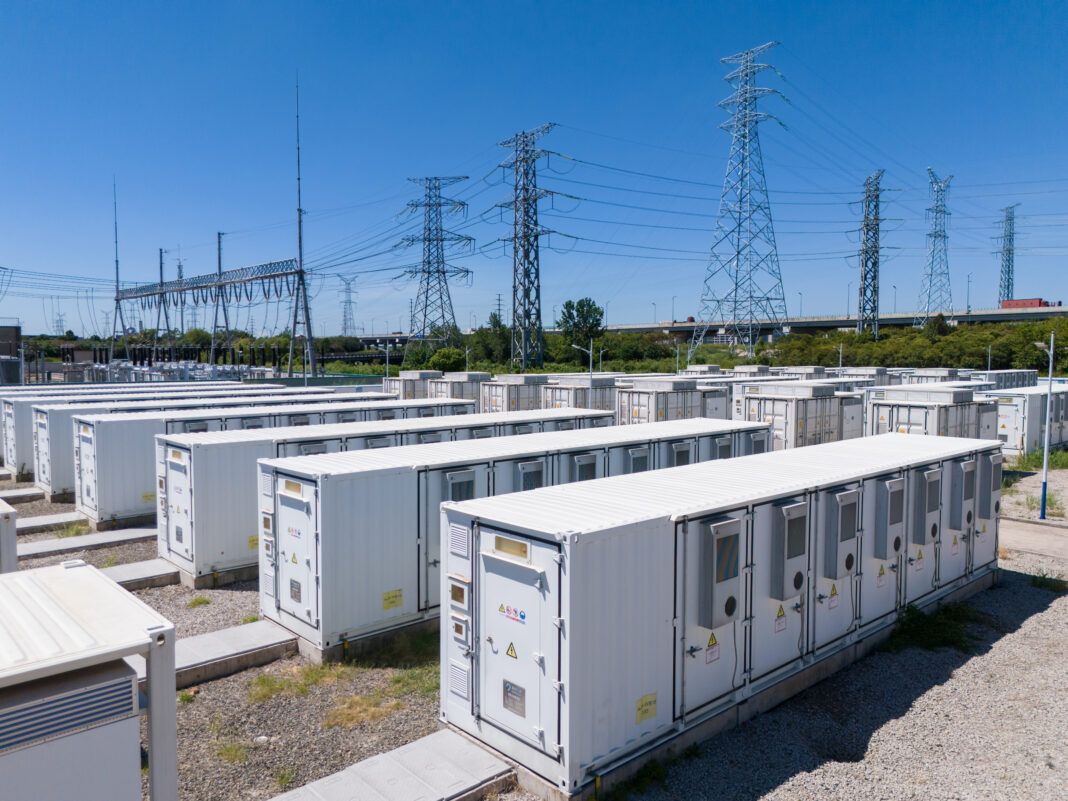
The rapid expansion of battery energy storage facilities across the U.S. is creating new opportunities to stabilize the electric grid but also fueling growing community opposition over safety concerns, Stateline reports.
Nationwide battery storage capacity has increased tenfold since early 2022, surpassing 50 gigawatts, and is projected to exceed 100 gigawatts by the end of 2028, enough to power roughly 75 million homes for one to four hours. The systems, which primarily use lithium-ion batteries, allow utilities to store excess electricity generated by sources such as solar and wind and release it during periods of peak demand, potentially reducing reliance on natural gas peaker plants.
Industry advocates say battery farms can be built in months, improve grid reliability and help meet rising electricity demand. Thirteen states have adopted energy storage targets, while federal policies and a 30% tax credit have further encouraged development. However, nearly 200 communities have passed or proposed moratoriums on battery storage projects, citing concerns about fires, toxic smoke and facilities being located near schools, homes and other sensitive areas.
A 2025 fire at California’s Moss Landing facility, which released 55,000 pounds of toxic metals into nearby wetlands, intensified those concerns. Industry representatives counter that newer systems incorporate improved battery chemistry, updated safety standards and isolated storage containers that limit the spread of fires.
