

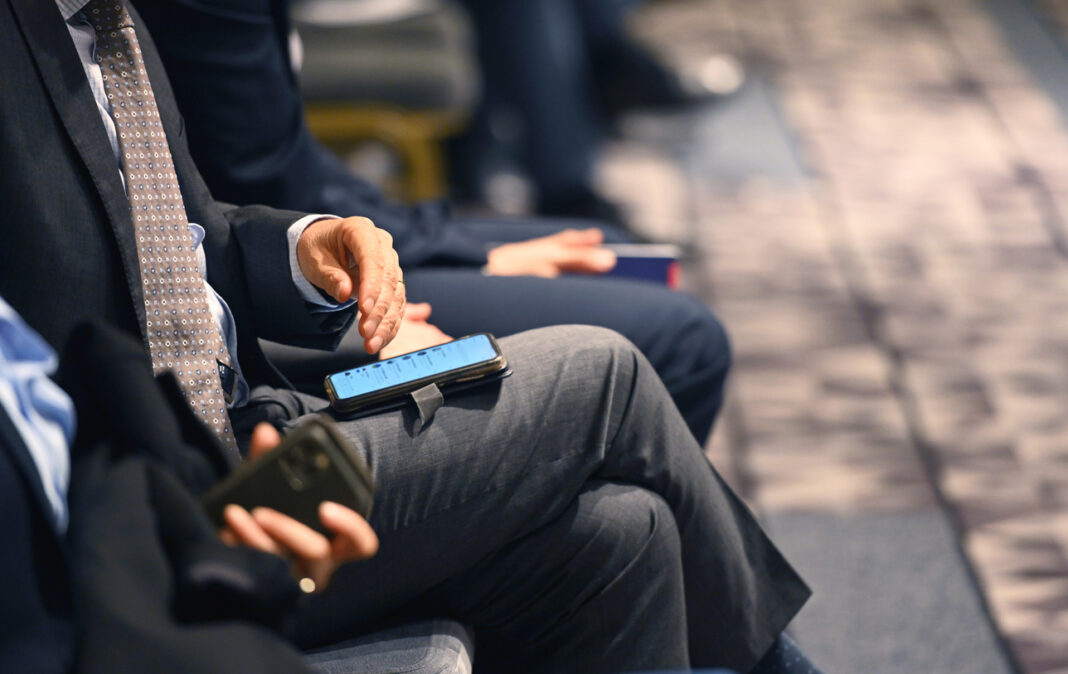
Librarian Randa Morgan was frustrated and confused when she received unsolicited campaign text messages from Jeff Landry’s gubernatorial campaign.
An outspoken critic of Landry, she promptly unsubscribed from the candidate’s messages.
Morgan is not the only one annoyed at receiving political text messages from candidates, with others taking to social media to share their aggravation with what they see as spam.
“I am 100% not voting for anyone who has sent me a text,” a Reddit user with a similar experience said in a post.
Others report receiving texts from candidates whose party they don’t affiliate with.
But regardless of party affiliation, the messages can feel like an invasion of privacy to those who have no interest in receiving them and run the risk of bringing more harm than support to a campaign, according to LSU political communication professor Robert Mann.
“Am I pissing off more people than I’m helping?” is the question campaigns need to be asking when sending these messages to wide swaths of voters, Mann says.
Despite their frustrations with the text messages, the recipients’ numbers were obtained through an entirely legal channel—the Louisiana Secretary of State’s office.
Texting provides campaigns, polling companies and even commercial businesses unprecedented access to this potential audience. According to Dave Maher, chief digital officer at Zehnder Communications, people check their texts within five minutes, making it an effective way to market and maximize engagement levels.
John Couvillon, owner and founder of Baton Rouge-based polling company JMC Analytics, says people are more likely to be receptive and respond to polls if they’re delivered via text message, rather than a live phone operator calling them.
Read the full story from the latest edition of Business Report. Send comments to editor@businessreport.com.
