
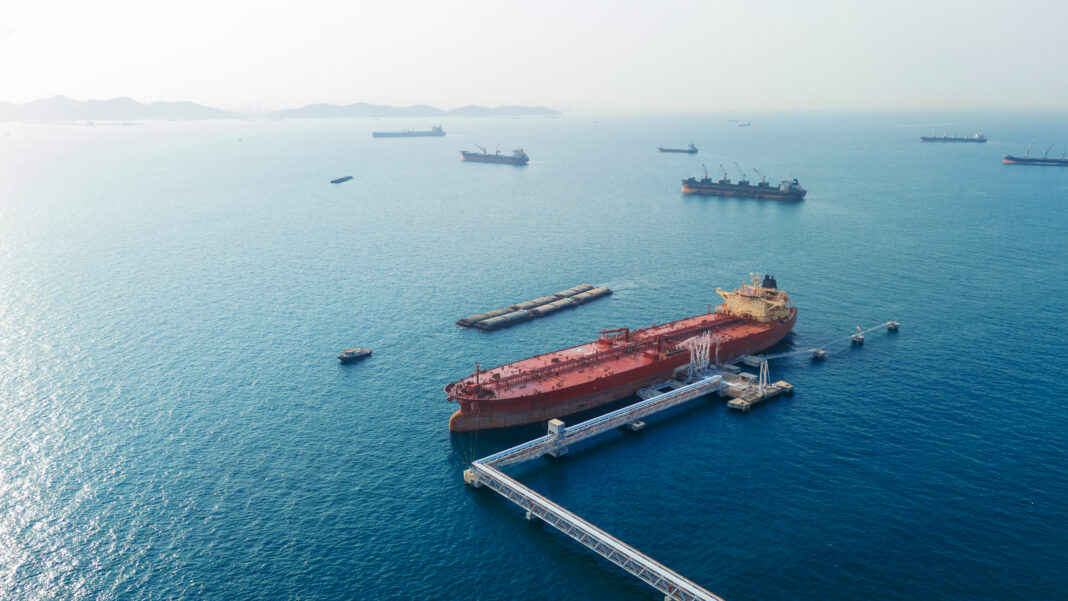
The war between the U.S., Israel and Iran has permanently reshaped the global energy landscape, according to the International Energy Agency, which says disruptions to shipping through the Strait of Hormuz have undermined confidence in the waterway as a reliable energy corridor, The New York Times reports.
In its latest World Energy Outlook, the agency finds the conflict has accelerated a shift toward electrification and domestic power generation, making a return to prewar energy conditions unlikely.
Depending on how governments respond, global oil demand could fall by 4.4 million barrels per day if shipping disruptions persist and countries adopt more ambitious policies supporting electric vehicles and nuclear power. However, if safe shipping through the Strait of Hormuz is restored by the end of 2027 and governments enact no new energy policies, oil and gas demand could continue rising through 2050, potentially contributing to a 2.9-degree Celsius increase in global temperatures by the end of the century.
The report also warns that data centers could double their global electricity consumption by 2030, requiring major grid upgrades and potentially increasing reliance on fossil fuels. Meanwhile, oil and gas exporters are expected to receive an additional $700 billion in sales this year compared with the 10-year average.
Nuclear power is also gaining momentum, with approximately 90 gigawatts of new capacity under construction, the highest level in more than 35 years.
The New York Times has the full story. A subscription may be required.
