
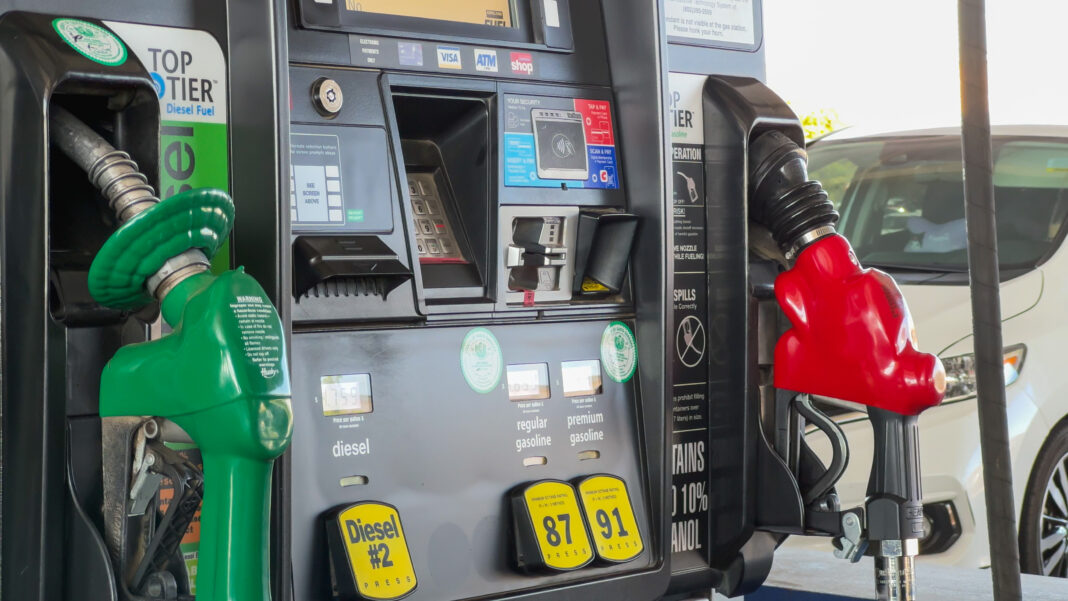
President Donald Trump’s effort to lower fuel prices ahead of the Nov. 3 midterm elections has sparked a legal and political dispute over his agreement with Russian President Vladimir Putin to increase Russian diesel supplies to U.S. and global markets, Bloomberg reports.
Trump announced Oct. 9 that Russia would release about 2.2 million barrels of diesel, with additional supplies expected in the following months, as the Iran war disrupts Persian Gulf shipments and drives up fuel costs. The Treasury Department’s Office of Foreign Assets Control subsequently issued a license to facilitate Russian diesel imports, and Trump signed an Oct. 16 executive order suspending 500% tariffs on Russian energy products that were scheduled to take effect Oct. 18 under a law he signed the previous month.
However, critics argue the actions conflict with the 2022 Ending Importation of Russian Oil Act, which prohibits Russian fuel imports unless specific conditions are met, including Russia’s withdrawal from Ukraine and the absence of an immediate threat to NATO members.
From a business perspective, do you support U.S. purchases of Russian diesel in an effort to lower energy prices?
A bipartisan group of senators has challenged the administration’s decision, while lawmakers from both parties have introduced legislation to block the imports. Legal experts have questioned whether the Treasury Department has authority to waive the prohibition, although enforcement challenges could make it difficult to stop shipments if the administration proceeds.
The agreement has also drawn criticism from Ukraine and its supporters, who argue Russian energy revenues help finance Moscow’s war. Energy experts caution that additional Russian diesel could ease pressure on global markets but would not resolve supply disruptions caused by the Middle East conflict.
The expected volumes represent only a modest increase in global supply, and continued Ukrainian attacks on Russian energy infrastructure could prompt Moscow to reinstate its export restrictions.
