 GET DAILY REPORT FREE


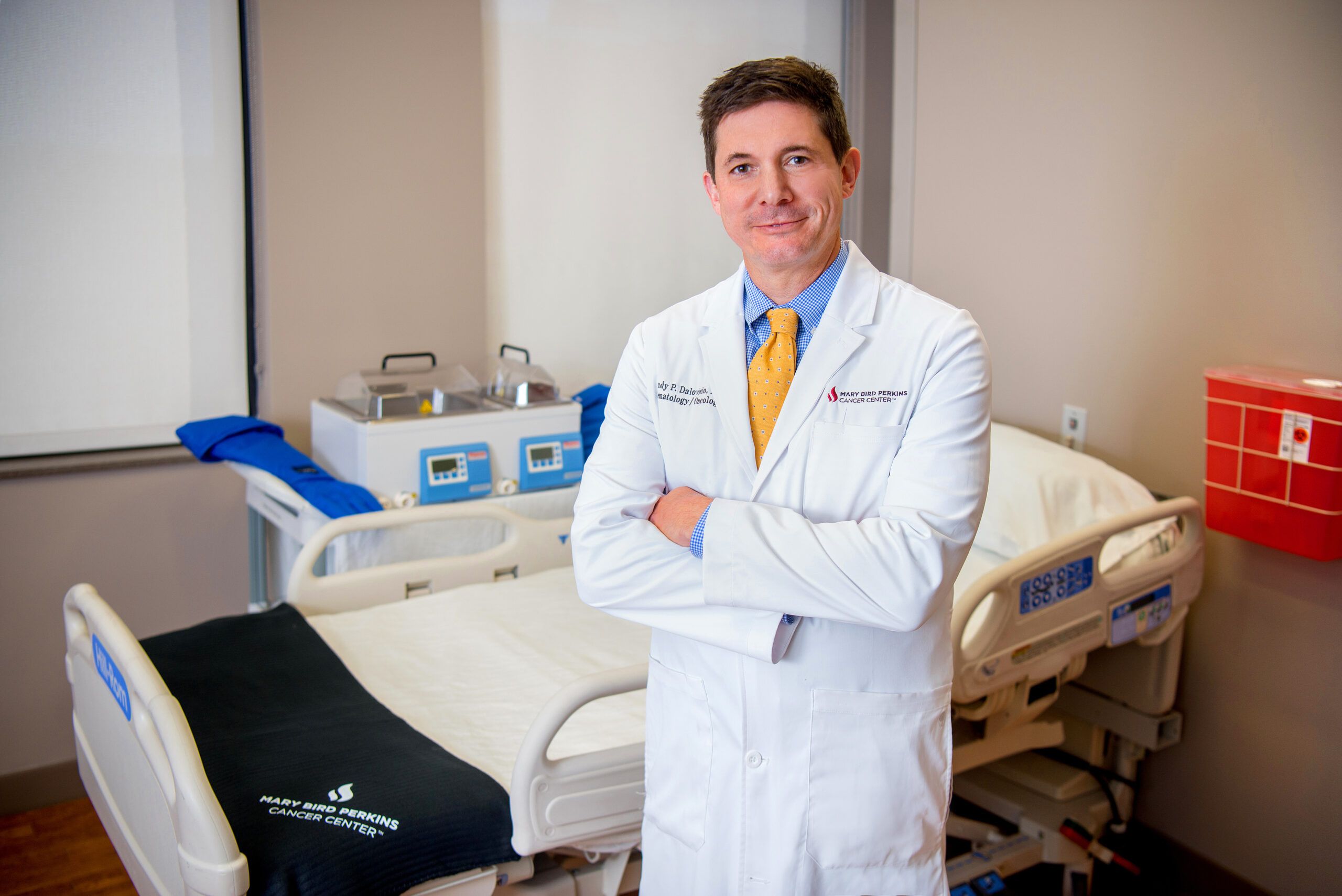
Cancer treatment, particularly for blood cancers, has rapidly evolved toward highly personalized, immune-based therapies, and patients today expect access to these advanced treatments without leaving their communities.
In response, Mary Bird Perkins Cancer Center recently began the region’s first fully outpatient Chimeric Antigen Receptor (CAR-T therapy) program in Baton Rouge, an advanced immunotherapy that genetically engineers a patient’s white blood cells to recognize, target and kill cancer cells within the body.
“Treatment of cancer – particularly blood cancer – has changed a lot in the past five to ten years,” explains Andrew P. Dalovisio, M.D., director of the Myeloma, Lymphoma, and Cellular Therapy Program at the Cancer Center. “There’s been a movement away from chemotherapy and toward precision treatment to target specific enzymes and cellular therapy, which allows us to harness the patient’s own immune system to kill cancer cells.”
CAR T-cell therapy involves the Baton Rouge cancer care team intravenously extracting a specific type of white blood cells from the patient, then sending the cells to a lab where the cells are “trained” to identify and kill cancer cells. From there, the cells are infused back into the patient’s body to find and attack the patient’s cancer cells.
But for many patients, access to these therapies has required traveling to distant academic centers, creating barriers at a time when physical, emotional, and financial strain are already at their highest.
The fully outpatient CAR-T therapy program allows Mary Bird Perkins to bring this advanced, personalized treatment closer to home while surrounding patients with the support systems that matter most. The Cancer Center was recently activated as the only authorized Kite CAR-T cell therapy treatment site in Baton Rouge, allowing them to treat certain leukemias, lymphomas and multiple myeloma.
“Many eligible patients will have greater access and remain near all of their support systems,” explains Dalovisio. “Thankfully, CAR T-cell therapy can now be administered in the Cancer Center’s outpatient setting, which allows patients to be surrounded by the comforts of home afterwards. There’s no way to describe the peace of mind that being around loved ones can bring when someone is receiving treatment for a disease like cancer.”
The process begins with the initial collection of white blood cells, an administration of mild chemotherapy, re-infusion of the patient’s cells after they have been modified to fight cancer, and time for the care team to monitor the patient’s progress. One requirement for this outpatient treatment is for the patient to have a caretaker with them when they’re at home. Caretakers are not required to have medical training, but are taught how to look for certain side effects the patient may experience.
The ability to provide this access in the outpatient setting has been a complex process. Over the past year, the teams at the Cancer Center and partner facilities have assembled the expertise and resources required to offer CAR T-cell therapy as an outpatient treatment. Any unanticipated inpatient care that may be needed for post-infusion support will be provided by Baton Rouge General Medical Center’s Bluebonnet campus.
“This program changes what’s possible for patients in our region,” Dalovisio says. “It means more people can receive advanced treatment while staying close to home, supported by the people and environment that matter most during their care.”