
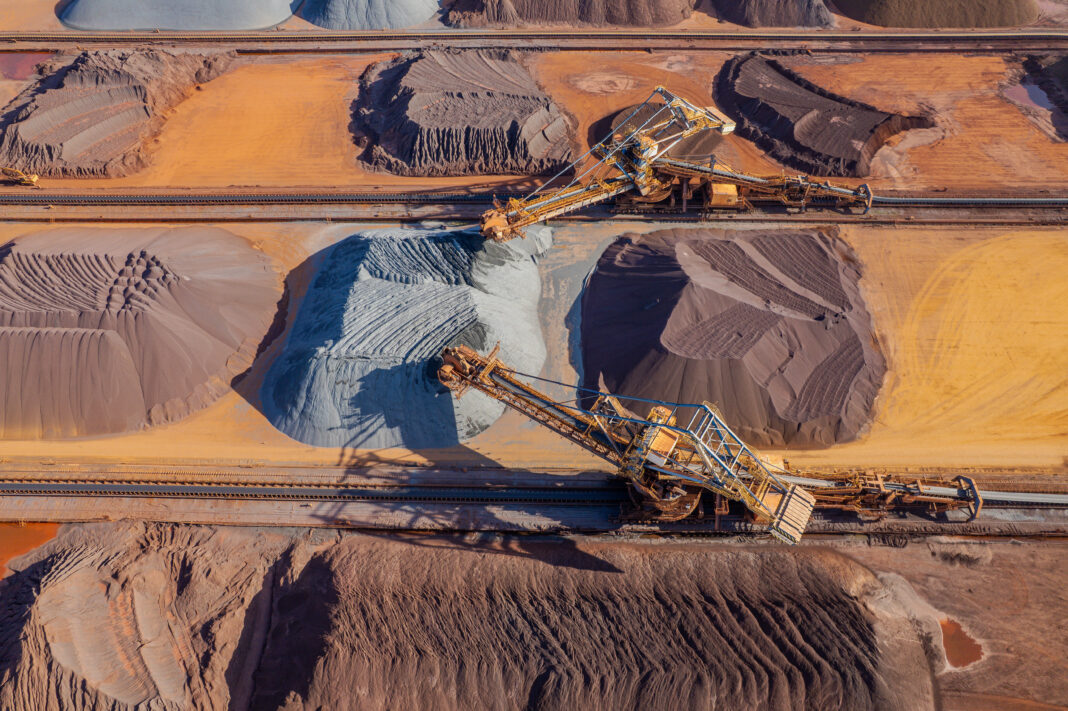
A looming global copper shortage is pushing mining companies to find new ways to extract more metal from existing mines as demand grows for electric vehicles, power grids, renewable energy and artificial intelligence data centers, Bloomberg reports.
Research firm S&P Global projects the world could face a 10 million-metric-ton copper shortfall by 2040, representing a 25% gap between projected supply and demand. Declining ore quality, high development costs and regulatory hurdles make opening new mines increasingly difficult, prompting companies to explore innovative extraction technologies.
One promising approach is bioleaching, which uses specialized microorganisms to break down surrounding minerals and release copper from ore. Denver-based startup Endolith is testing its technology at Arizona’s Carlota Mine, where customized microbial communities could extend the life of a facility producing roughly one-third of its peak output and facing closure by the end of the decade.
Founded in 2023, Endolith has raised approximately $23 million in venture capital and partnered with mining companies BHP and Rio Tinto to evaluate its technology. The company’s broader goal is to extract at least 10% more copper from low-grade ore, while its work at Carlota could also reduce sulfuric acid consumption.
Advances in DNA sequencing, cloud computing and artificial intelligence have accelerated microbial analysis, but questions remain about whether the technology can perform consistently under unpredictable commercial mining conditions. Endolith’s upcoming field demonstration at Carlota will be a critical test of its effectiveness and scalability, while its economics remain unproven at industrial scale. Even if successful, the company must tailor its microbial solutions to the distinct geological and chemical conditions of individual mines.
As copper demand intensifies, bioleaching could offer an alternative to developing new mines, though its long-term financial and environmental benefits remain to be established.
