
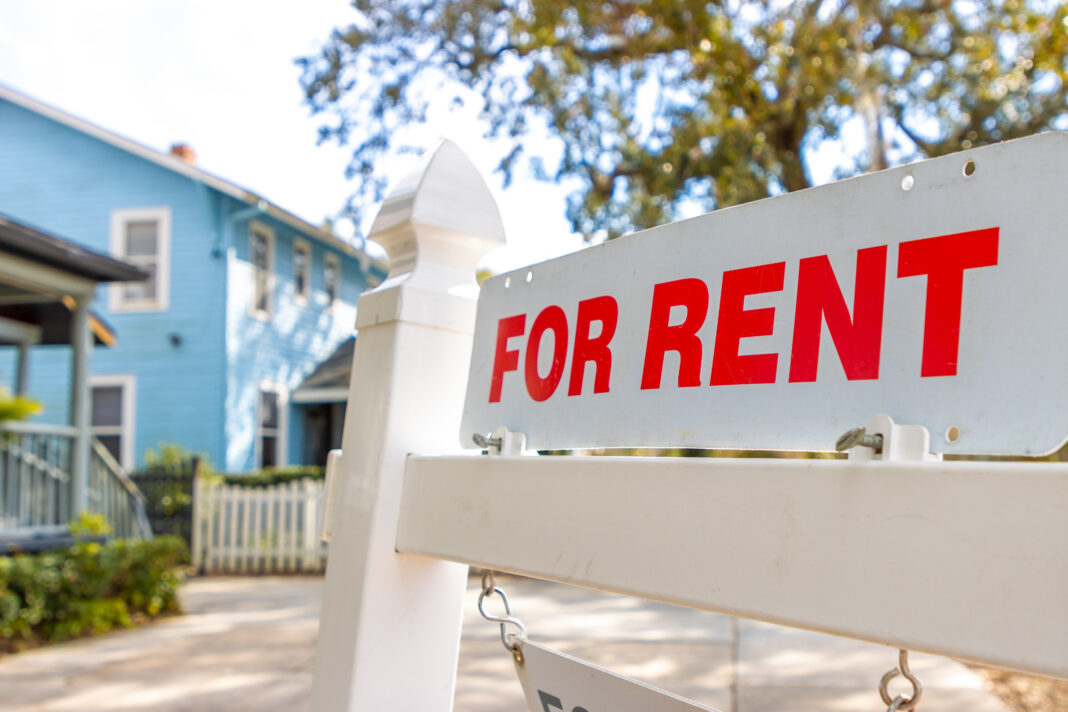
Renting can be a smarter financial decision than homeownership for people seeking flexibility, predictable expenses and opportunities to invest, particularly as housing costs remain elevated, The Washington Post reports.
Although homeownership offers potential tax benefits and equity growth, the median U.S. home sold for $410,700 in the second quarter of 2026, up from $367,800 five years earlier. At an average 7.4% rate for a 30-year fixed mortgage, buyers putting 20% down need more than $82,000 upfront, with monthly principal and interest payments of about $2,275. These costs can make buying difficult for moderate earners and tie up substantial wealth in an asset that is not easily converted to cash.
Financial advisers say renting can provide more predictable expenses and preserve money for investments, emergency savings and other priorities. Renters generally avoid paying directly for major repairs, property taxes and homeowners insurance, while lower upfront costs can leave more money available for long-term investments and high-yield savings accounts.
Renting may particularly benefit high earners seeking flexibility, retirees looking to preserve capital, and single or older adults who lack the savings to manage ongoing homeownership expenses. It can also make changing jobs, relationships or locations easier without the potential costs and risks of selling a home.
However, renting does not automatically save money, as rental costs in some markets can rival mortgage payments that include taxes and insurance. Financial planners recommend budgeting carefully and consistently investing any savings from renting through brokerage or retirement accounts.
The Washington Post has the full story. A subscription may be required.
