
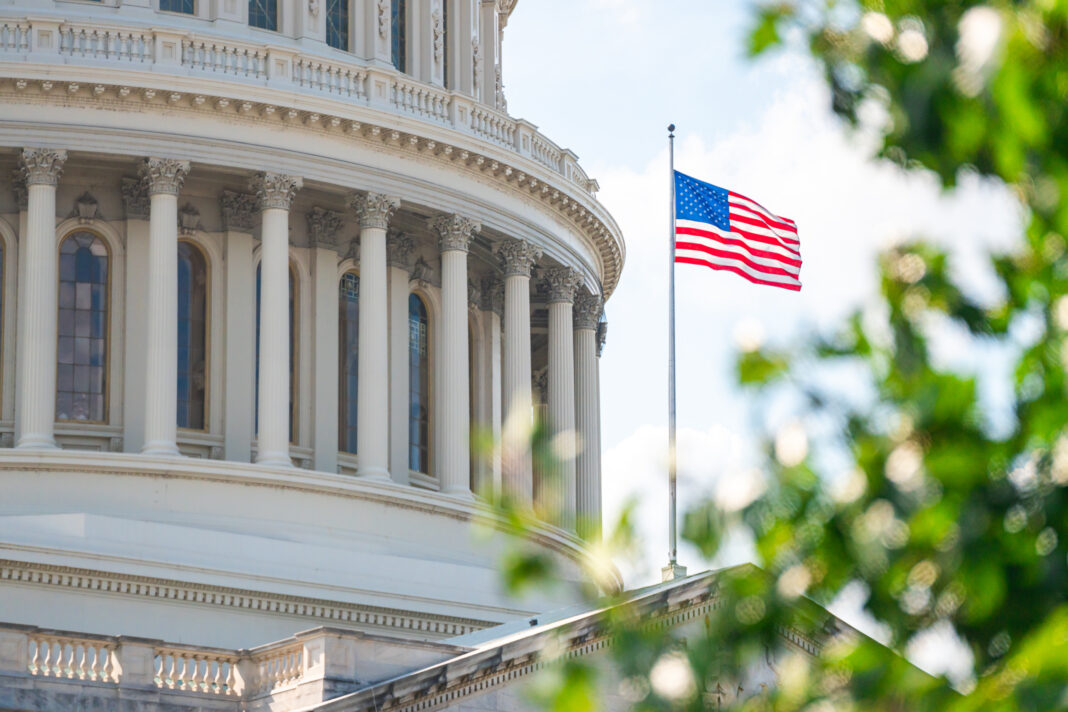
Congress faces a crowded legislative agenda as lawmakers return to Washington for the final weeks of the 119th Congress, with government funding set to expire Dec. 11 and several major policy proposals still unresolved, CNBC reports.
Republicans return weakened after Democrats made significant gains in the midterm elections, securing at least 255 House seats and potentially as many as 56 Senate seats. The shifting political balance could make bipartisan negotiations more difficult as Democrats prepare to take control of both chambers.
The most immediate priority is avoiding another government shutdown by passing a temporary funding extension or full-year appropriations bills. Lawmakers also face pressure to address the federal debt ceiling, with national debt exceeding $40 trillion and Treasury expected to reach its borrowing limit by mid-2027.
Other potential legislative battles include a bipartisan energy construction permitting package intended to accelerate infrastructure development, although Democratic leaders may seek a more favorable agreement under their incoming majorities.
Congress must also advance the National Defense Authorization Act, which authorizes more than $1 trillion in defense spending, despite disagreements over the Iran war and proposed restrictions on defense contractors’ stock buybacks and dividends.
Additional proposals include establishing federal rules for college athletes’ name, image and likeness compensation and banning members of Congress from trading individual stocks. Both measures face political obstacles, with Democrats potentially preferring to revisit the issues when they assume control.
