
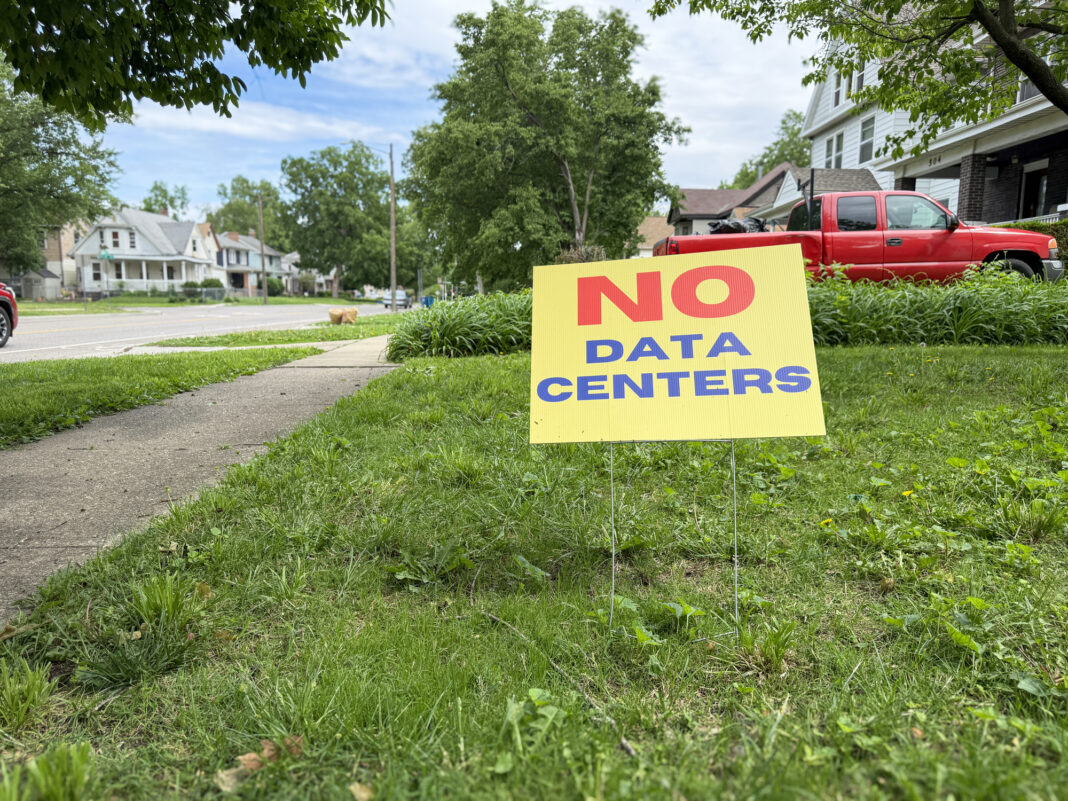
Data center developers are facing growing community opposition as residents raise concerns about water consumption, electricity demand, backup generators and the local impacts of large campuses, Fortune reports.
Recent projects have been rejected in Arizona, Florida, Virginia and North Carolina, reflecting a widening divide between the widespread benefits of cloud computing and artificial intelligence and the costs that communities may bear locally.
Although agriculture accounts for about 72% of global freshwater withdrawals, U.S. data centers used an estimated 17 billion gallons of water for cooling in 2023, according to Lawrence Berkeley National Laboratory, with consumption potentially doubling or quadrupling by 2028. Water used to generate their electricity is roughly 12 times that amount, yet companies rarely report those figures.
What is the most important step data center developers should take to earn greater public trust?
However, impacts can vary by location, climate and cooling technology, making site-specific data more useful than national averages. Electricity supply can be an even greater challenge, as large campuses may consume as much power as a small city. When grid connections are delayed, developers often rely on on-site gas or diesel generators, which can remain in service longer than initially planned.
Adhum Carter Wolde-Lule, chief strategy officer at Prism Power Group, says to rebuild public trust, the industry should disclose how much water is consumed in electricity generation, explain cooling methods, establish firm limits on backup generation and provide realistic grid-connection plans. Developers should also engage residents early and quantify promised benefits, including jobs, tax revenue and infrastructure improvements.
He also says newer cooling technologies, such as air cooling and sealed liquid loops that reuse water, can reduce resource demands, although adoption is not universal. Regular, site-specific public reporting would help communities and planners verify commitments, assess environmental and infrastructure risks, and influence project designs before decisions are finalized.
