 GET DAILY REPORT FREE



Sponsored by EisnerAmper
For many growing organizations, “audit season” feels like a fire drill with leaders crossing their fingers that everything is documented well enough to satisfy auditors. But according to the Baton Rouge team at EisnerAmper, audit readiness should be part of the everyday culture. Laura Soileau, Partner and the National Practice Group Leader of the firm’s Risk and Compliance Services (RCS) practice, explains what that looks like in practice.
At its core, an audit-ready organization is one built on accountability, transparency and clear ownership. That doesn’t necessarily require a full in-house audit department. What it does require is a shared understanding of internal controls, including how they work, who owns them and why they matter.
Too often, especially in small or family-owned businesses, knowledge lives with a few key people rather than in defined processes. “How do we do that?” becomes “Ask Bob,” and no one is entirely sure what Bob knows until he’s not there.
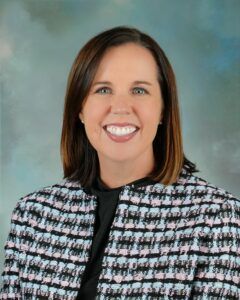
EisnerAmper’s Baton Rouge professionals see this pattern frequently and work with clients to shift from person-dependent to process-driven operations, creating a stronger foundation for growth and audit readiness.
One of the first warning signs that outside support may be needed is simple: leaders feel overwhelmed. When a company is scaling beyond its founder-led roots, or when information no longer seems reliable or consistent, it often signals that internal controls and reporting haven’t kept pace with the business.
Discrepancies in reports, along with confusing data or expenses that don’t line up with how a business actually runs, can all point to deeper control issues.
EisnerAmper’s approach typically begins with documentation. For organizations that lack formal policies and procedures, the team helps get what people “know” onto paper: who does what, how key processes work and where risks might arise. From there, they test whether those processes are functioning as intended, and where controls can be added or strengthened to prevent fraud and errors or detect them more quickly.
For many small and midsize businesses, the hesitation to bring in specialists comes down to cost. Yet the statistics show that organizations lose an estimated 5 percent of their revenue annually to fraud. EisnerAmper works with clients to design practical, targeted measures that reflect the organization’s scale and risk profile. The goal is to invest strategically on the front end instead of paying a higher price later when issues surface.
There are a variety of advantages that go beyond technical expertise. External advisors draw on best practices from a wide range of organizations and resources, help leaders focus on the top risk areas and lend credibility when management needs to implement new controls that might otherwise meet internal resistance.
As technology evolves, more organizations are rethinking their systems to stay competitive. EisnerAmper’s team encourages leaders to pair those upgrades with a look at internal controls. It’s not just about having the right tools, but ensuring the right safeguards are woven into them.
For CEOs and CFOs, the most impactful first steps are straightforward:
- Define who owns what
- Document and test critical processes
- Embed controls into everyday workflows
- Foster an environment of continuous monitoring and improvement.
For organizations that want to get there without building an in-house audit department, the Baton Rouge professionals at EisnerAmper are ready to help them become, and stay, truly audit-ready. Learn more at EisnerAmper.com.