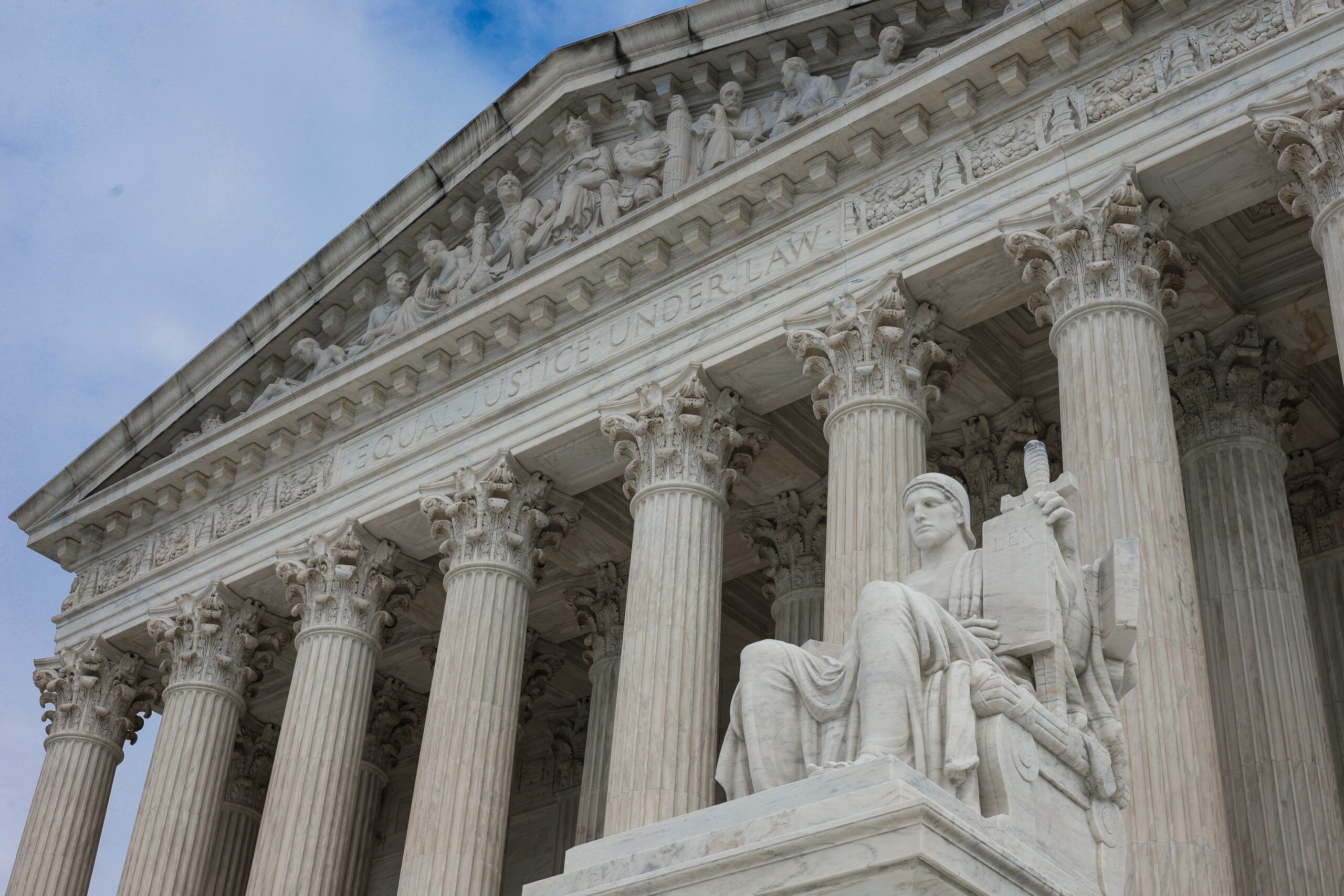
The U.S. Supreme Court has handed a major win to oil and gas companies in a long-running legal fight over coastal damage in Louisiana, ruling that lawsuits brought by parishes can be moved from state courts to federal courts.
The unanimous decision on Friday centers on whether companies like Chevron can shift cases tied to decades-old oil production into federal venues, which are often seen as more favorable to industry defendants. Justices found the lawsuits are sufficiently connected to companies’ federal wartime contracts, when oil production supported military fuel needs, clearing the way for removal.
The case focuses on a narrow legal question, but its implications are broad, according to The New York Times. More than 40 lawsuits filed by Louisiana parishes accuse oil and gas companies of contributing to coastal erosion through decades of drilling and dredging activity. The state has lost significant land over time, raising the stakes of the litigation.
The Pelican Institute says the Supreme Court’s unanimous decision makes clear the cases should be heard in federal court, arguing the ruling affirms the proper application of the federal officer removal statute. The group contends Louisiana’s effort to keep the lawsuits in state court conflicts with the law’s intent and long-standing interpretation, and is urging federal courts to move quickly as the cases proceed.
LOGA President Mike Moncla called the ruling a significant, though incremental, victory for the oil and gas industry, arguing that years of coastal and legacy lawsuits have discouraged investment in Louisiana. He says many of the companies now facing litigation operated with state approval and contributed billions in revenue through taxes and royalties.
“From the time these lawsuits began a decade ago, oil and gas activity in Louisiana’s state leases and inland waters has declined to nearly nothing,” Moncla said in a prepared statement. “Drilling is nil, production is a shadow of its former self, and service companies have been starved into bankruptcies. This case is as frivolous as the ones by liberal cities like Baltimore who sue oil and gas for climate change—while they sit in their air-conditioned offices. Today’s ruling from the Supreme Court is the first step towards justice.”
The ruling does not determine whether companies are liable for that damage but could significantly shape how the cases proceed, many seeking billions in damages tied to environmental loss, according to The New York Times.
GET DAILY REPORT FREE