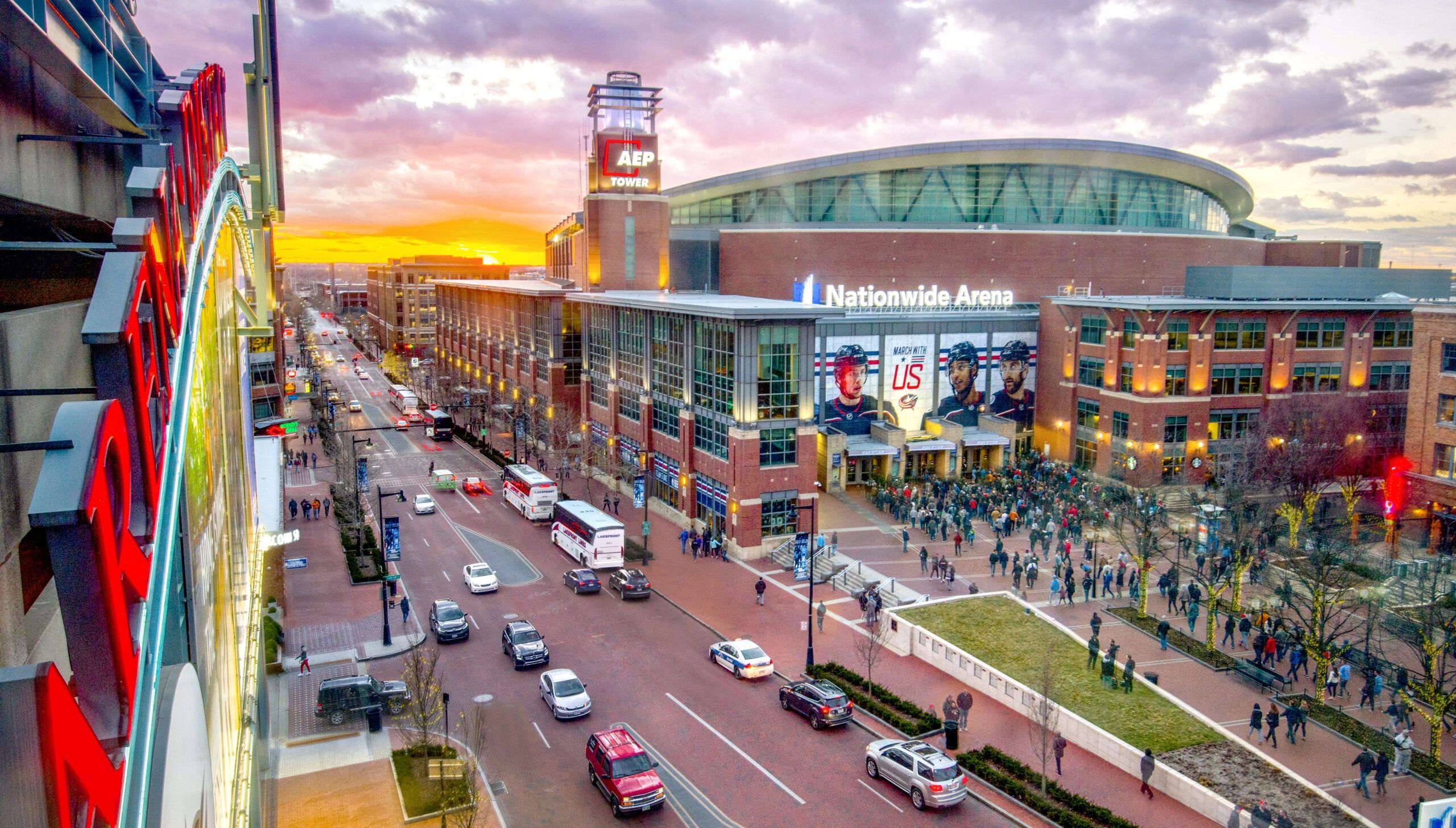
If you want to see what happens when leadership gets aligned and plays the long game, look north—way north—to Columbus, Ohio. The Capital Region and Columbus have a lot in common: both are state capitals, major university towns and regional economic anchors.
But that’s where the similarities end.
Julio Melara is the Chairman, President and CEO of Melara Enterprises and Publisher of Baton Rouge Business Report.
While we’ve spent years debating our potential, Columbus has been busy realizing its own. The question is: What can we learn from it?
The biggest difference isn’t geography—it’s leadership culture.
Columbus leaders across business, government and higher ed decided a long time ago that collaboration beats competition. They don’t waste energy fighting over turf or credit. They row in the same direction. Imagine if the Capital Region did the same—if our local governments, state leaders, business groups and nonprofits worked from one playbook instead of a stack of competing agendas.
We could start with something simple yet game changing: a Capital Region partnership—a standing forum where leaders from business, government, higher education and nonprofits meet year-round to align priorities and move from talk to action. The evolution of the Baton Rouge Area Chamber into the Greater Baton Rouge Economic Partnership is exactly the kind of bold, collaborative shift our region needs—but real progress will only come if this new positioning inspires every organization, business and leader to do their part and deliver measurable results.
That’s the mindset we need across the board—a coalition of the willing where collaboration is the default, not the exception. When the public and private sectors share a common vision, projects move faster, investments multiply and results compound. The region begins to operate like a single, focused enterprise instead of a loose collection of silos.
Next, we need to think regionally, not parochially. Columbus doesn’t draw battle lines between the city and suburbs; they win together. For us, that means stronger alignment between East Baton Rouge, Ascension, Livingston and West Baton Rouge parishes—especially on transportation, housing and infrastructure. Competing for the same jobs and projects is small thinking. Competing with Houston, Nashville, and yes, Columbus—that’s the level we should play at.
Then comes infrastructure. Columbus made bold moves on transit, bike trails and zoning reform—tying it all to safety and housing. Here, we default to road widening and call it progress. We need a long-term transit vision that connects workers to jobs, affordable housing that supports growth, and zoning that attracts private investment instead of scaring it off.
Finally, growth must be inclusive. Economic success means little if it skips entire neighborhoods. Columbus pairs business expansion with education, workforce development and entrepreneurship. Baton Rouge can do the same—tying every major project to local hiring, training and community reinvestment.
The formula isn’t complicated. Collaboration. Regionalism. Infrastructure. Inclusion. Columbus proves that when leadership pulls in the same direction, a capital city can transform into a national success story.
The question is—do we have the will to do the same?
GET DAILY REPORT FREE