What we know about LSU’s newly split president and chancellor roles

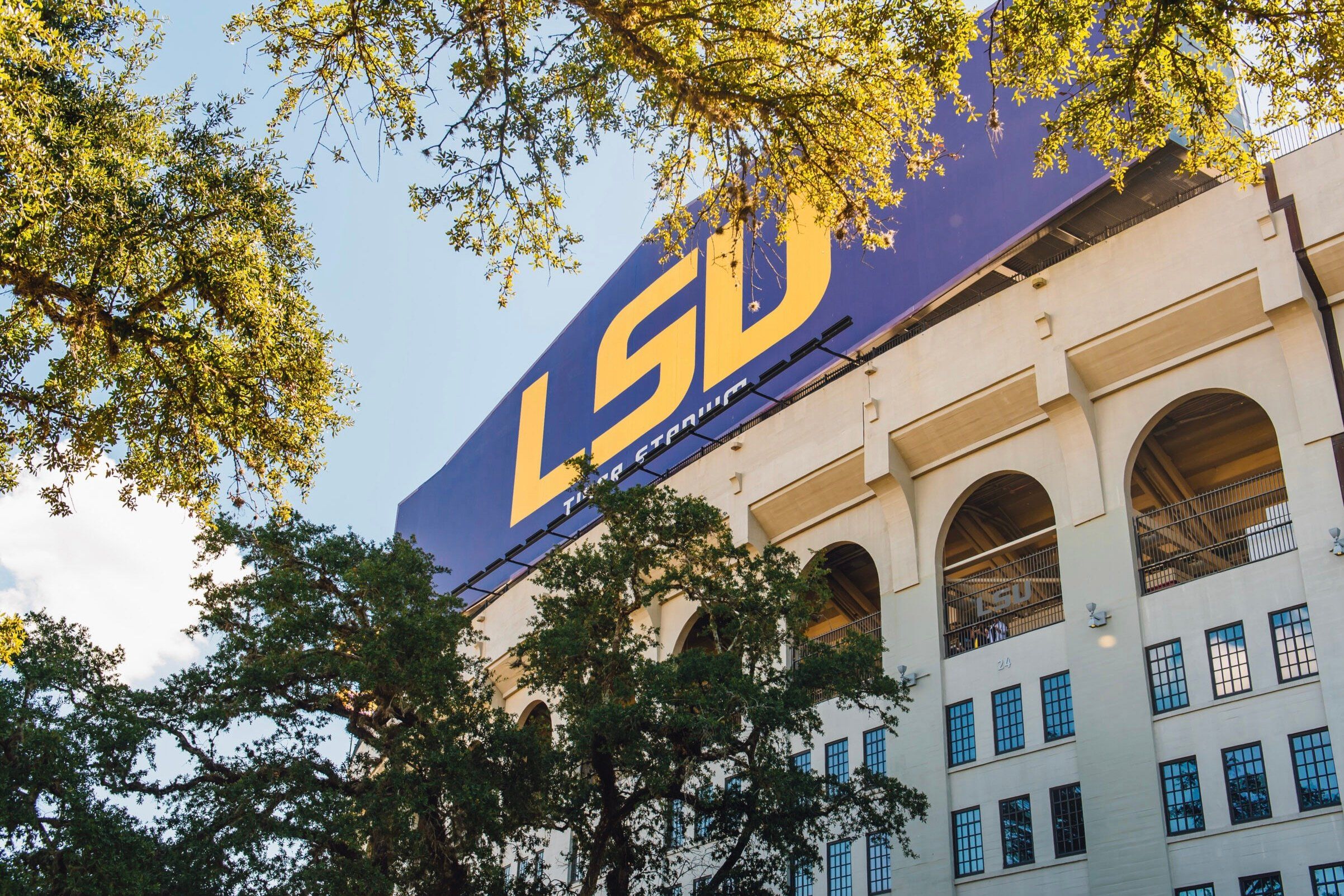
Tiger Stadium. (Jordan Hefler)

The LSU Board of Supervisors on Tuesday made two key appointments: Wade Rousse as president of the eight-campus LSU system, and James Dalton as executive vice president of the LSU system and chancellor of the system’s flagship campus in Baton Rouge.

The appointment of both a president and a chancellor is significant because the duties of those two roles have been consolidated into a single office—the office of the president—since 2012. The move represents a major retooling of the leadership structure the LSU system has operated under for more than a decade.

But what prompted LSU to revert to its old leadership model, and what exactly will its president and its chancellor each be responsible for going forward?

On the first point, LSU Board of Supervisors Chair Scott Ballard had this to say:

“The decision to split these two roles has been under consideration since I became board chair. … It became clear to the board that these candidates’ unique strengths and shared vision presented an opportunity to strengthen LSU’s leadership structure by allowing each to focus on their distinct areas of expertise.”

As for the specific duties of each role, Rousse, formerly president of McNeese State University, said that a “detailed organizational chart” is in the works and will be delivered in about 30 days.

While the finer details will be ironed out over the course of those 30 days, a few major points have already been addressed:

  • As president, Rousse will focus on “system-wide oversight and strategic initiatives.” More specifically, he said “outward-facing units”—external affairs, government affairs and athletics—will fall under his purview.
  • As executive vice president and chancellor, Dalton will focus more on academics and research—his “areas of expertise,” as Ballard put it. A pharmaceutical scientist, he most recently served as executive vice president and provost at the University of Alabama but previously led the University of Michigan’s College of Pharmacy as dean, spent nearly a decade overseeing drug development research at a major pharmaceutical company and chaired the pharmaceutics division at Ohio State University.
  • Rousse said he plans to get involved in the search for LSU’s next football coach “very quickly” and “as aggressively as [he] can.”
  • Both leaders are planning to embark on a 90-day statewide “listening tour” to inform their strategy moving forward.

It’s worth noting that Rousse was considered by many to be the frontrunner for LSU’s top position thanks to the backing of LSU Board of Supervisors Vice Chair Lee Mallett, a major political donor to Gov. Jeff Landry.

While Rousse didn’t directly address rumors that Landry pulled strings to get him hired, he did suggest that the governor might dial back his involvement with LSU now that he and Dalton are steering the ship. Landry has caught flak on multiple occasions for his perceived overinvolvement in the operations of LSU and its athletic department.

“I’ve been told by several people that [Landry] was looking for strong leadership at LSU so he could back away from any sort of micromanaging that he thought he needed to do in the existence of a sort of leadership transition or a leadership void,” Rousse said.