 GET DAILY REPORT FREE


Sponsored by LSU’s Pennington Biomedical Research Center
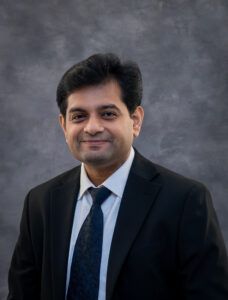
When Dr. Adithya Hari talks about nuclear oncology, it’s clear he sees the field not just as a medical specialty, but as a new frontier in the fight against cancer. Combining cutting-edge imaging with targeted treatment, nuclear oncology is changing how physicians detect, monitor and attack cancer at its source.
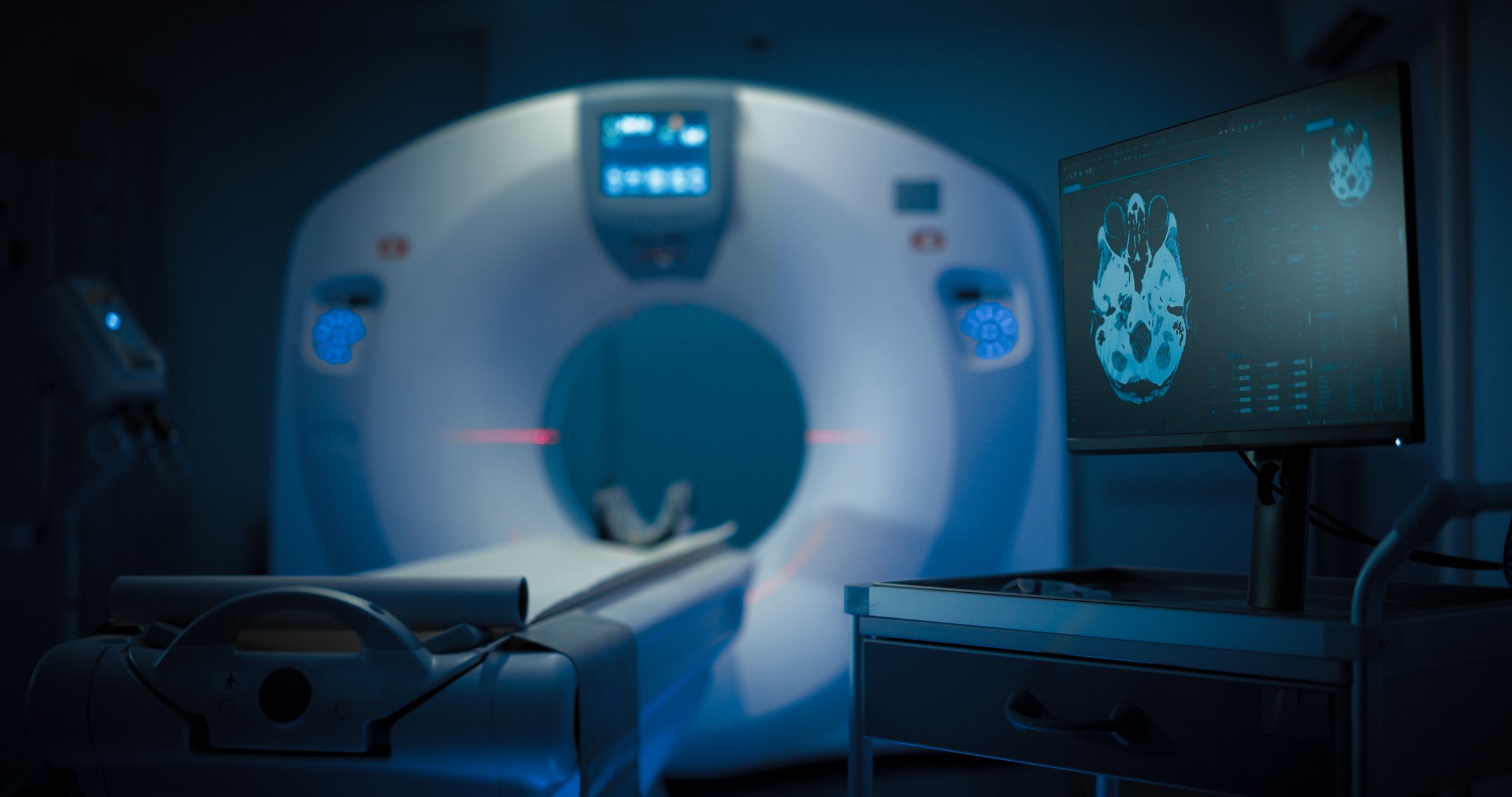
“Nuclear medicine uses radioactive molecules to study organ function and metabolism,” Dr. Hari explains. “In nuclear oncology, we take it a step further to see exactly where the cancer is, how it’s behaving and how it’s responding to treatment.” This approach has two components: advanced imaging and a breakthrough therapy called theranostics.
Theranostics pairs a diagnostic imaging molecule with a therapeutic one. The result is a precise, targeted strike against cancer cells with fewer side effects than traditional chemotherapy. “We can deliver radiation directly to the tumor, sparing healthy tissue,” says Dr. Hari. “Patients often tolerate it better than some of the more potent chemotherapy agents.”
Recently joining LSU’s Pennington Biomedical Research Center, Dr. Hari brings a unique focus on the relationship between cancer and metabolism. Cancer often causes widespread metabolic dysfunction, altering body composition, diet response and energy use. Dr. Hari’s research aims to understand these changes and integrate metabolic optimization into cancer care – improving both survival and quality of life.
Pennington Biomedical’s long-standing expertise in metabolism and lifestyle interventions makes it an ideal home for this work. With its expansion into cancer research, Pennington Biomedical has become an active member of the Louisiana Cancer Research Center (LCRC) – a statewide collaboration uniting LSU Health New Orleans, Tulane University, Ochsner Health, and Xavier University of Louisiana.
Dr. Hari will also dedicate a portion of his time to direct patient care through a clinical partnership with Mary Bird Perkins Cancer Center. This dual role allows him to bring the latest scientific discoveries from the lab to the clinic, ensuring Louisiana patients benefit from cutting-edge diagnostics and treatments as quickly as possible.
“Louisiana unfortunately leads the nation in rates of cancer, obesity and diabetes,” Dr. Hari notes. “But that also means we have a unique opportunity to lead in research that addresses these overlapping health challenges.”
A key driver of progress is the shift toward precision medicine. Instead of a one-size-fits-all approach, treatments are increasingly tailored to a patient’s unique metabolic profile. In nuclear oncology, that means using specific tracers to determine the best treatment path and adjusting or even halting therapy based on how the patient responds.
One exciting area is dosimetry, which measures how much therapeutic radiation a patient absorbs over time. “We can evaluate after each cycle of treatment whether to continue, stop or save doses for future use,” Dr. Hari says. “It’s about making therapy as effective and safe as possible.”
Looking ahead, Dr. Hari predicts that nuclear oncology will become central to cancer management – both in diagnosis and treatment planning – within the next decade. “With new tracers and targets emerging for cancers like ovarian, gastric and prostate, we’re entering an era where imaging and therapy are more closely linked than ever before,” he says.
For Louisiana patients, that means earlier detection, more personalized care and a better quality of life during and after treatment. “Our ultimate goal,” Dr. Hari emphasizes, “is not just to treat cancer, but to help patients live well while we do it.”