 GET DAILY REPORT FREE


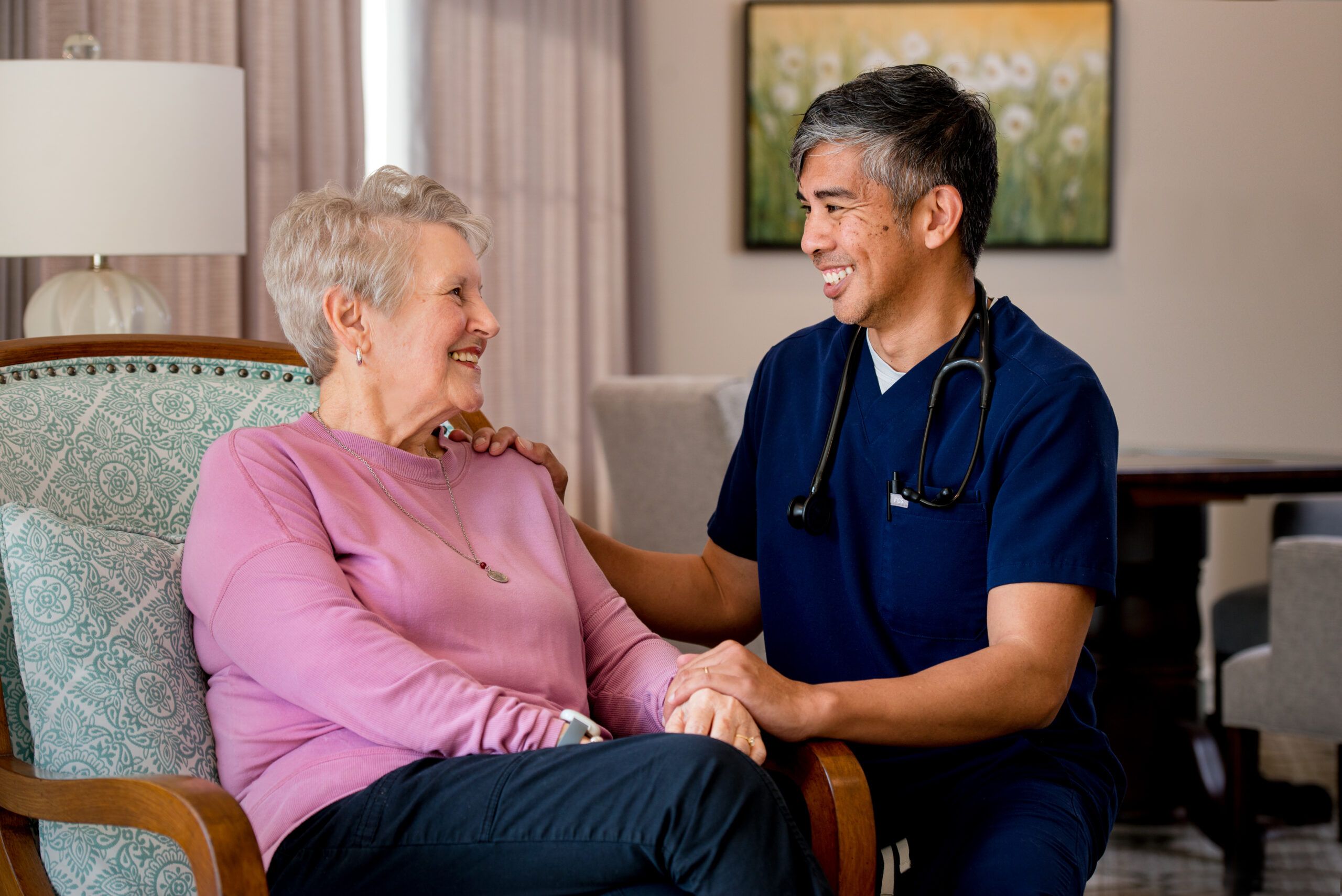
For many families, managing an aging parent’s healthcare can feel like a second full-time job. There are appointments to schedule, transportation to coordinate and medications to track, and limited support from a health care system that requires patients to commute to their care.
That’s where an old-school approach to medicine—the house call—is making a comeback in the Capital Region courtesy of Prairieville-based Neighborhood Health, which offers on-site and in-home primary care designed specifically for seniors.
Rather than requiring patients to travel to a clinic every few months, Neighborhood Health is bringing care directly to seniors where they live.
“The traditional primary care model just doesn’t work for many families anymore,” says Ellison Abad, FNP, a nurse practitioner at Neighborhood Health. “Many seniors can’t get to the doctor easily.”
That shifts the burden to adult children or extended family, resulting in work absences, logistical challenges and the emotional weight of constant monitoring.
“Being a caregiver is very time-consuming,” Abad says. “We help take some of that pressure off families so they can focus on just being family again.”
For seniors, removing this burden can lead to meaningful improvements in overall health, safety and quality of life.
As individuals age, chronic medical conditions become more prevalent and can significantly affect safety and independence. Common conditions include dementia, Parkinson’s disease, stroke, heart failure, COPD, diabetes, and chronic kidney disease.
These conditions often lead to functional decline, limiting a senior’s ability to safely perform daily activities such as bathing, dressing, mobility, medication management, and meal preparation. This increases the risk of falls, weakness, fatigue, and medication errors.
The combined physical and cognitive impact of these conditions places seniors at higher risk for injury, hospitalization, and overall decline. In-home primary care addresses that challenge by bringing routine preventive care and urgent assessments—such as respiratory infections, urinary tract infections, falls, wounds, and sudden changes in condition—directly to the patient.
“When patients don’t have to leave their home, they’re more likely to stay engaged in their care,” Abad explains. “And that helps prevent small issues from becoming major problems.”
One of the most promising aspects of this model is its emphasis on early detection and proactive management. Remote patient monitoring allows Neighborhood Health caregivers to track vital signs in real time and respond proactively before symptoms become severe.
“If something isn’t right, we can catch it early and intervene before it escalates to an emergency room visit,” Abad says. “Remote patient monitoring allows us to track trends in vitals and symptoms over time, ensuring we’re making thoughtful, data-driven decisions rather than adjusting medications without the full clinical picture.”
Locally owned and operated Neighborhood Health, which began as a walk-in clinic in Prairieville in 2019, now provides that coordinated on-site care at 13 area assisted living communities as well as in the homes of seniors aging in place. Payment options range from traditional insurance-based visits to a membership-style “Senior Strong” Program offering accelerated response times and increased monitoring and necessary coordination.
The common thread is flexibility—meeting patients and families where they are.
“We believe in the power of family,” says Heather Duplessis, operations manager at Neighborhood Health. “Our goal is to help seniors live longer by safely aging in place, reducing risks and supporting independence, while bringing peace of mind to the families who not only care for them but love them.”