 GET DAILY REPORT FREE


In today’s healthcare landscape, consolidation has become the norm. Across specialties, private equity investment and large corporate ownership structures are reshaping how care is delivered, often with a focus on efficiency, scale and financial performance.
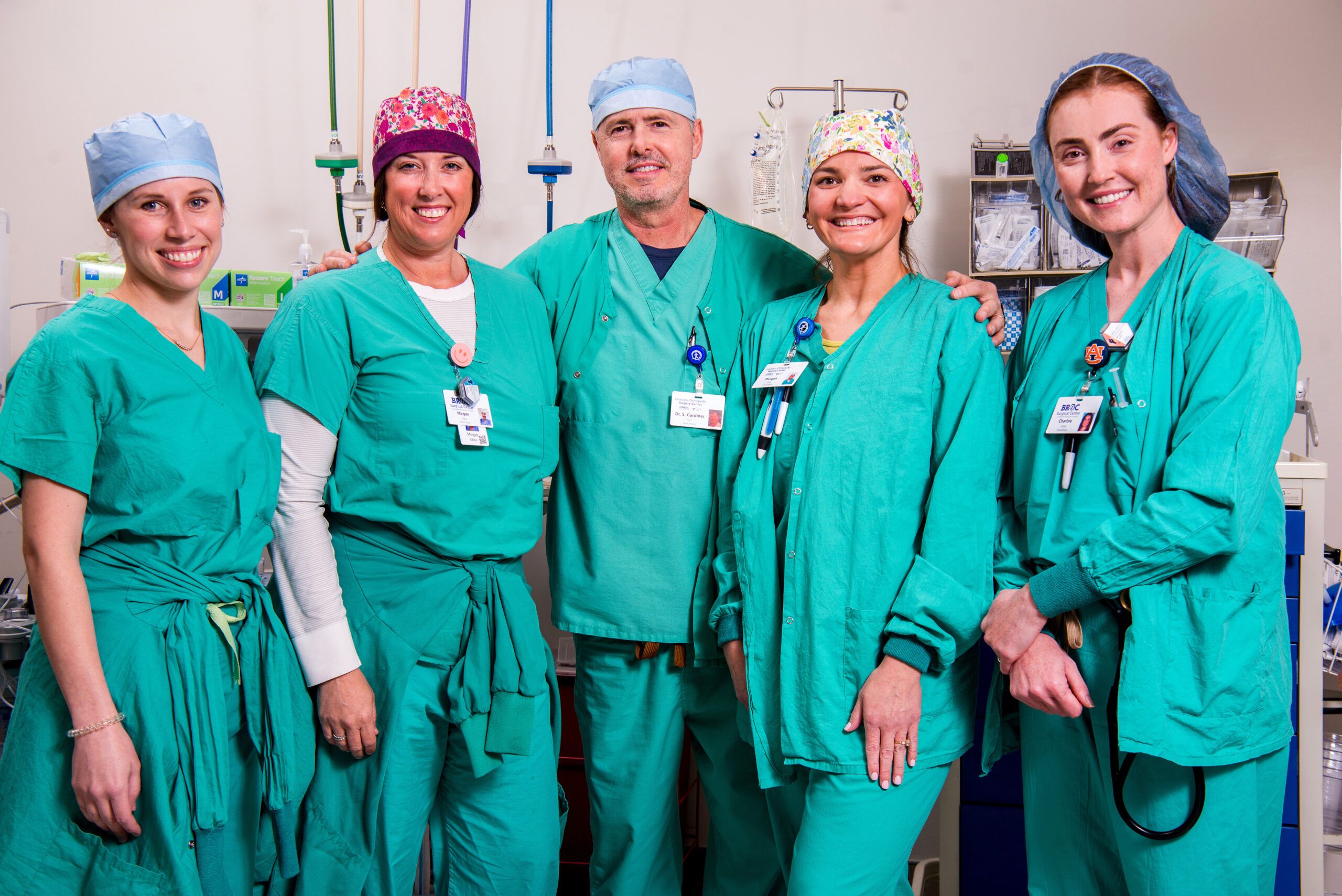
But in anesthesia, one Louisiana-based provider serving hospitals and healthcare systems across the southeastern United States is taking a different approach. DPI Anesthesia has built its model around a simple but increasingly uncommon premise: independent ownership, clinician leadership and a culture driven by providers rather than investors.
That distinction, company leaders say, has meaningful implications for healthcare systems and their patients.
“We’re privately owned and clinician-led,” says CEO John Sikes. “Our objective is to make sure patients have a safe and pleasant operative experience. It’s not to maximize margin at the expense of care.”
DPI was founded in 2003 in the hopes of giving providers more of a voice in the delivery of care. DPI’s care teams in Louisiana, Georgia and South Carolina are built around a collaborative model that integrates anesthesiologists and certified registered nurse anesthetists (CRNAs), with an emphasis on empowering both groups to practice at the top of their license.
“We believe the people you hire and the culture you create are the most important parts of building a company,” Sikes says.
The result is a structure that balances clinical quality with operational efficiency at the same time that it improves employee retention. DPI has been an outlier during a period of industry-wide workforce challenges, maintaining full staffing throughout its 23-year history.
“I think we’re able to do that because we recognize the value our providers bring and create an environment they want to be part of,” Sikes says.
With health care facilities increasingly outsourcing anesthesia services, private equity firms have become major players in anesthesia, acquiring practices and introducing new financial expectations. Sikes regards that reality as a competitive advantage for a locally owned, physician-led
operation like DPI.
By remaining independent, he says, DPI avoids external financial pressures, allowing clinical decision-making to remain centered on patient outcomes.
“To generate returns, costs have to increase somewhere,” Sikes says. “But healthcare doesn’t need higher costs for less care. We need better care at a lower cost.
“Anesthesia is a unique specialty. When it’s managed by a dedicated group that understands the workflow, the compliance and the financial model, it tends to be more efficient and more effective.”
Beyond its business model, DPI is also advancing clinical practices that directly impact patient experience. One example is a sustained effort to reduce opioid use in perioperative care through expanded use of regional anesthesia techniques.
“We’ve been able to significantly reduce opioid use while improving recovery times and reducing complications,” Sikes says.
The result: less nausea, shorter recovery stays and, in many cases, a smoother path home for patients.
As healthcare systems continue to evaluate partners and delivery models, DPI’s approach offers an alternative to the prevailing trend of consolidation. At its core, the company’s philosophy is straightforward.
“We’re always going to do the right thing,” Sikes says.