 GET DAILY REPORT FREE


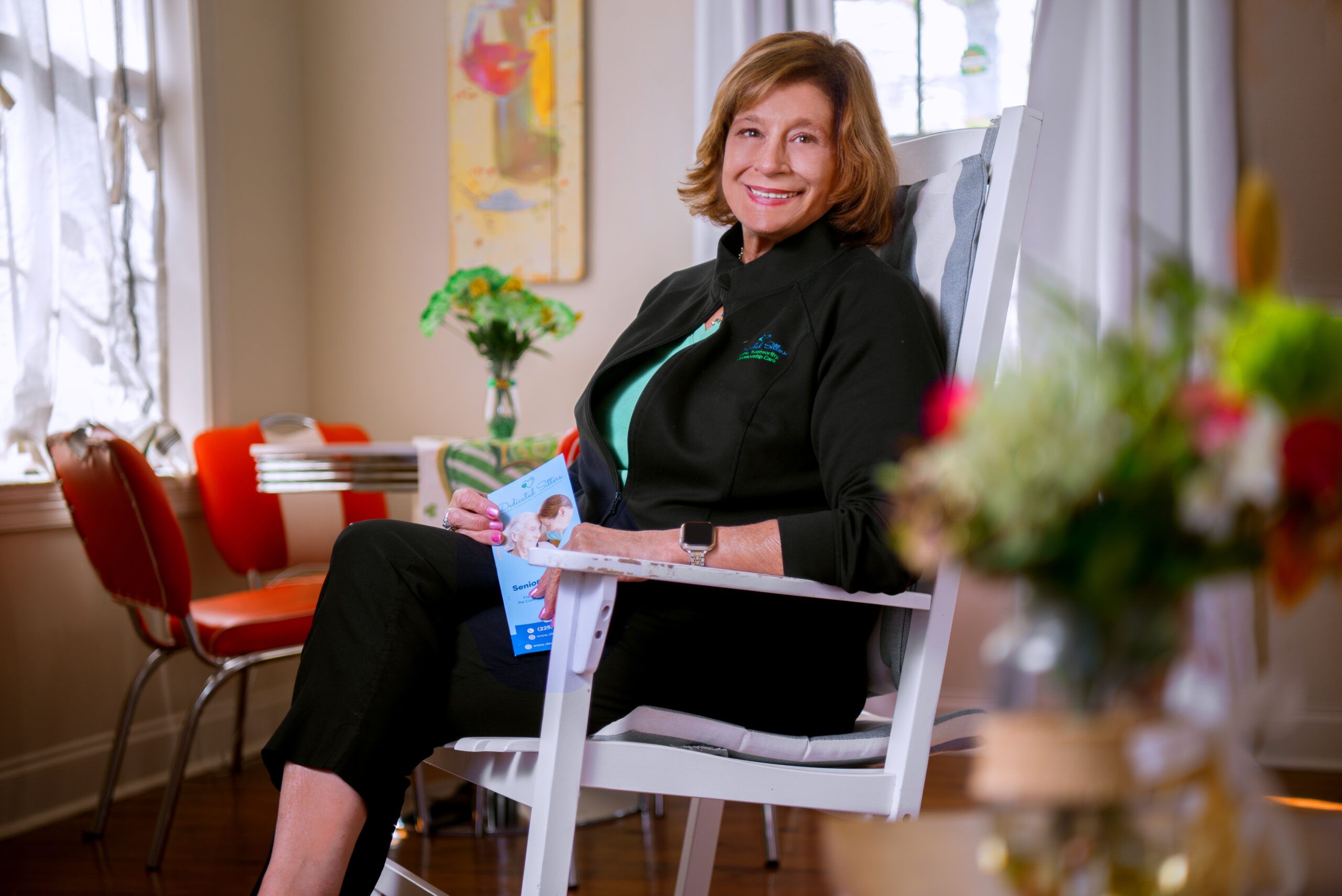
While caring for her father during a hospital stay, Maria Yiannopoulos began calling local caregiving services in search of short-term help. What she found were a lot of businesses demanding long-term commitments.
“Everyone told me, ‘We’ll come, but you have to book four days, eight hours a day,’” she recalls. “And I kept saying, ‘I don’t need all of that.’”
That experience revealed a gap in the senior care market: Families who need flexible, short-term support often have few options. Yiannopoulos decided to fill that gap herself by creating Dedicated Sitters, an in-home, private-duty sitting service designed to meet families where they are, without the long-term contracts often required by larger providers.
“As-needed support is really the essence of this business model,” says Yiannopoulos, who also owns and operates a Baton Rouge activity center for seniors, the Bon Jour Social and Leisure Center. “You may just need four hours. You may need someone for a few days while you travel. That’s what we’re here to do: help you when you need it, without locking you into a long-term commitment.”
Unlike many national franchises, which often require minimum weekly hours or extended contracts, Dedicated Sitters operates on a simple premise: Care should match the need, not maximize the profit margin.
Clients can schedule services as needed, whether that means a few hours to run errands, daily visits during a recovery period, short-term support while a caregiver is out of town, or whatever a family’s unique circumstances require.
“We’ll accommodate what the family needs,” Yiannopoulos says.
Yiannopoulos’ hiring policies require Dedicated Sitter caregivers to have at least five years of experience in senior care, with many bringing backgrounds in assisted living, memory care or as certified nursing assistants. Each team member also completes dementia care training, ensuring they are prepared to support clients with cognitive challenges.
“I’m very particular about who I hire,” she says. “They’re not there to just sit. They’re there to engage and support the client’s daily routine,” such as bathing, grooming and meal preparation, while also providing companionship and light housekeeping focusing on the client’s area.
Programs like Medicare’s GUIDE (Guiding an Improved Dementia Experience) initiative are beginning to recognize the impact of such services on senior wellness. The pilot program offers financial support for in-home caregiving services for patients with dementia to help them remain safely at home longer, which benefits both families and the healthcare system.
“It’s the first time ever that Medicare is paying for sitter services for those with a diagnosis of dementia, and they will pay for sitters up to $2,500 per year,” Yiannopoulos says. “Both Bon Jour and Dedicated Sitters are approved by Medicare to provide those services.”
For those exploring caregiving options, Yiannopoulos recommends starting with a simple question: What do you actually need help with?
“I always ask families to tell me their challenges,” she says. “From there, we can determine how to support them.”
That includes concierge service, which consists of driving loved ones to and from medical appointments or other out-of-home errands such as hair appointments and shopping.
“We are not there to step in and take over what the family is doing,” she says. “We are there to lend that extra pair of hands to the family to continue the care in their environment, wherever it is needed.”
To learn more, call (225) 454-0303.