 GET DAILY REPORT FREE


Most people never think about their balance system until something feels off. A quick turn of the head, bending forward to tie a shoe, scrolling on a computer screen. These everyday movements rely on a complex system in the inner ear and brain working together seamlessly. When that system is disrupted by injury, even simple tasks can feel overwhelming.
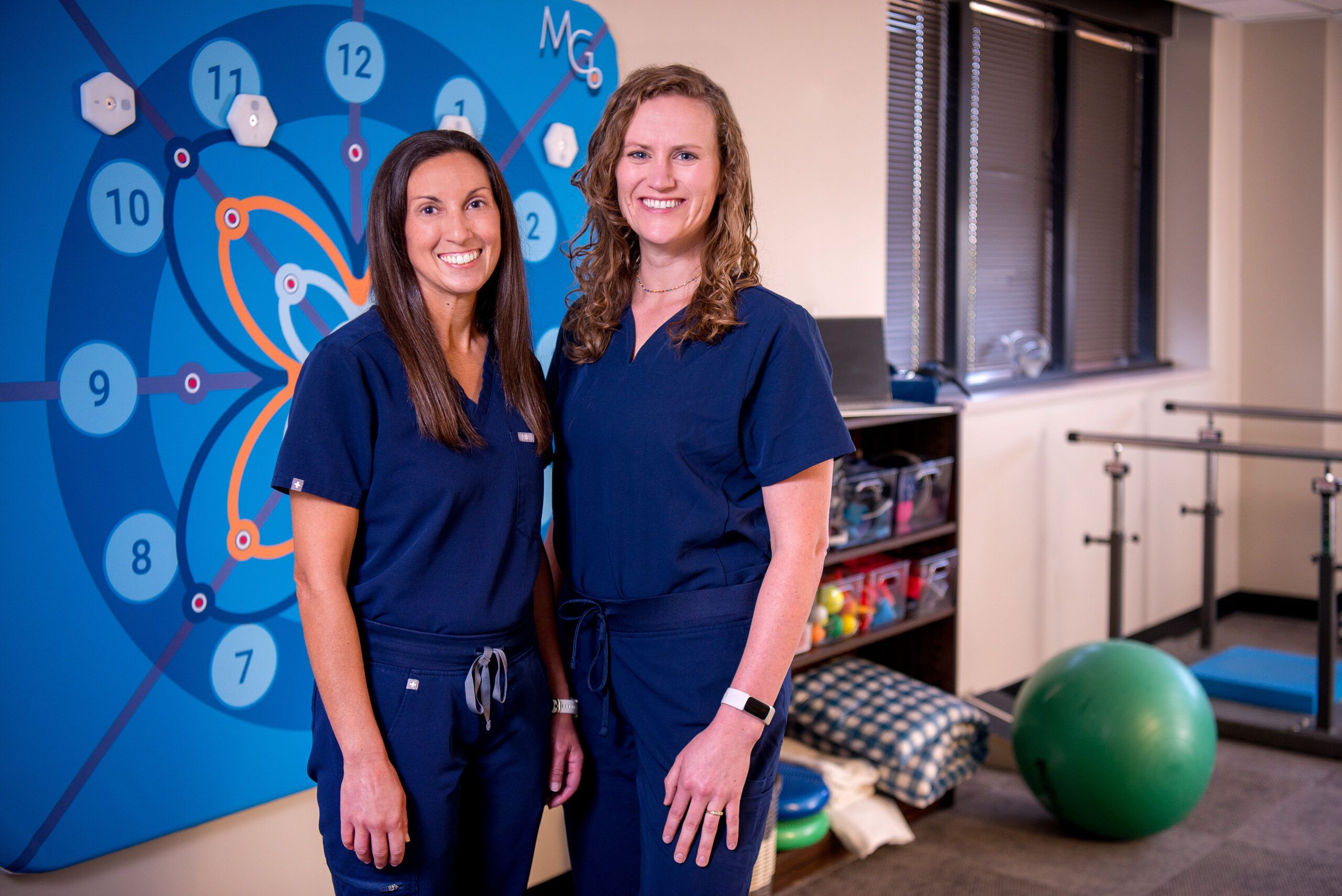
At FMOL Health | Our Lady of the Lake, specialized vestibular physical therapy helps patients regain that sense of stability and control. Therapists Sara MacDowell, PT, DPT; Sydney Duhe, DPT; and Monica Moss, DPT, work with patients whose dizziness, headaches and visual disturbances affect everything from school and work to elite athletics.
WHAT IS VESTIBULAR THERAPY?
Vestibular therapy focuses on the inner ear and how it communicates with the brain about movement and balance. “We take the vestibular system for granted,” MacDowell says. “It is always stabilizing our vision when we’re in motion until it’s not.”
When patients come in, therapists assess how well their eyes, head and body movements are working together. Providers combine simple tests like following a moving finger with high-tech gadgets to get a complete picture. Specialized infrared video goggles block all light and remove visual cues so therapists can see subtle, involuntary eye movements that reveal how the inner ear and brain are functioning.
Treatment is highly individualized. Exercises often target visual stability, helping patients keep their eyes focused while the head moves. Others focus on repetitive head and eye movements that provoke symptoms, allowing the brain to adapt over time. Recovery is rarely predictable, and for therapists, education and reassurance are part of the process.
“Anytime you’re dealing with an injury to the vestibular system or to the brain especially, recovery is almost never linear,” MacDowell says, emphasizing long-term goals over day-to-day fluctuations.
FROM SETBACK TO COMEBACK
For LSU gymnast Kathryn Weilbacher, vestibular therapy became a turning point.
After a September 2024 car accident, she was diagnosed with a concussion and whiplash. Dizziness, nausea and light sensitivity lingered for months, making it difficult to attend class, read notes on a screen or keep her balance, a serious problem for a gymnast.
“We had to get her vestibular system better than just good. She had to be perfect,” MacDowell says. “There’s no room for error for an athlete to mess up if you’re in the air twisting and turning and do not have your spot when you land.”
Through months of tests and exercises, Kathryn’s balance system slowly returned to elite athlete level, and she is back doing flips, twists and tumbles for the Tigers this season without any symptoms.
“This is why we do what we do,” Duhe says. “We want to help people get back to their day-to-day activity, whether that’s a high-level athlete or someone who’s just going through normal movements throughout the day.”
While elite athletes may need their balance system to be perfect, vestibular therapy is not just for competitors. It is for anyone whose world has started to spin and who wants steady ground again.
Learn more at ololrmc.com/balance.