
RPCC steps up to build the workforce a steel boom demands

A $30 million training center. A new steel plant. And a community college chancellor who believes this is the moment that changes everything for the region.

River Parishes Community College is positioning its planned West Bank campus as a cornerstone of workforce development tied to that investment, with Chancellor Quintin Taylor characterizing the effort as a long-term opportunity to reshape both the regional labor pipeline and the surrounding community.

The new training center in Donaldsonville is designed to support workforce needs tied to Hyundai and other industrial employers, with a focus on preparing workers for emerging jobs in steel manufacturing and related skilled trades. Taylor says the initiative is designed to align education with industry demand while expanding access to high-paying careers for residents.

- Advertisement -

“This is about meeting the needs of people, industry and the community,” Taylor says. “When you do those three things, you get better outcomes. I’m excited for the people who now have the opportunity to receive training that will lead to really good-paying jobs in their community. To have a training facility in their backyard that’s going to allow them a direct entry point into the workforce is super exciting. While the building is the conduit, it’s really what’s going to happen in that building that has me excited.”

The planned facility, estimated to cost between $30 million and $34 million, will be located along La. 945 near West Ascension Parish Hospital, span roughly 50,000 square feet and is expected to open in early 2028. RPCC intends to begin training students ahead of that timeline at its existing campuses in Gonzales and Reserve.

The project’s design team is led by a joint venture between Domain Architecture and DLR Group. Other members include McKim Creed, civil engineer; Forte & Tablada, structural engineer; Crumb Engineering, mechanical engineer; and EDS, electrical engineer. Arkel Constructors is the contractor.

River Parishes Community College Hyundai Steel Workforce Training Center. Courtesy River Parishes Community College

At the core of the initiative is a new two-year associate degree program in steel manufacturing, with concentrations in electrical, mechanical and advanced manufacturing disciplines. The curriculum is being structured to provide both specialized training for Hyundai’s low-carbon steel operations and transferable skills applicable across other existing industries.

- Advertisement -

Students will have multiple entry points. In addition to the two-year degree, RPCC is developing shorter-term certification programs for adult learners seeking quicker entry into the workforce, as well as dual-enrollment pathways that allow high school students to begin coursework early.

The college’s existing pipeline is substantial. Hundreds of students are enrolled in process technology, electrical and instrumentation programs, with roughly 700 in process technology alone. Taylor says RPCC is expanding course offerings, including evening classes, to accommodate growing demand and working adults.

“We’re going to go back to the traditional Monday through Friday model,” Taylor says. “We have to find ways to spread and diversify the schedule so that we can accommodate more students, especially those who are working during the day, who may want to explore a career change.”

Industry partnerships are central to the model. RPCC has significantly increased internship opportunities and launched initiatives such as “Industry Match Day,” in which students demonstrate their skills directly to employers. Internship participation grew from 25 students in 2023 to 150 last year.

The facility’s proximity to a new hospital nearby figures into Taylor’s longer-term vision as well.

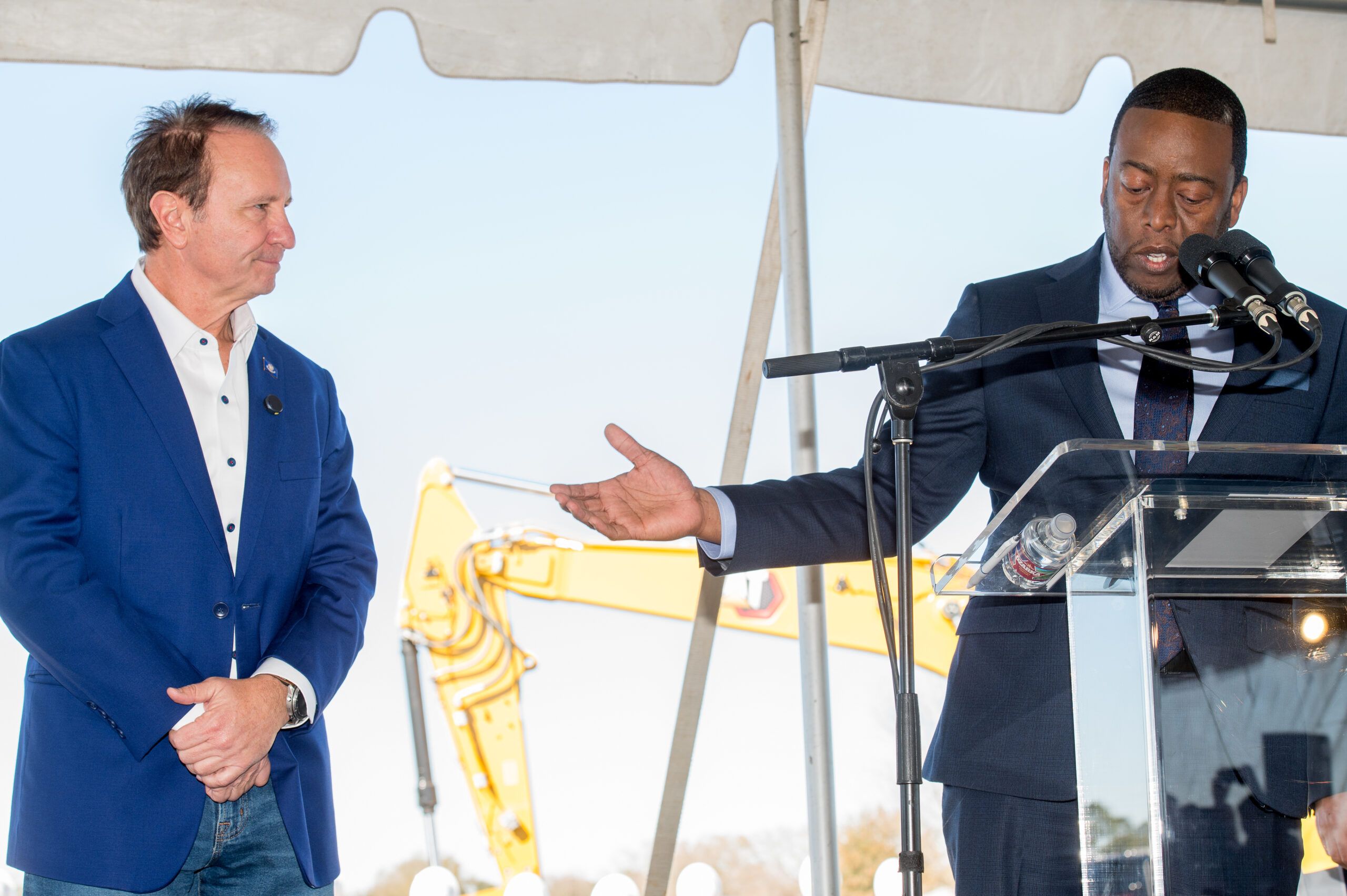
Breaking ground on the River Parishes Community College Hyundai Steel Workforce Training Center. Photography courtesy RPCC

“We’re going to be neighbors with a brand new hospital that we believe is going to also be the catalyst for the growth and community development of Donaldsonville,” Taylor says. “Long term, I want to be able to have health sciences programs in this training center once we’ve completed the bulk of our work with Hyundai.”

The college also works with an industry consortium focused on aligning training with future workforce needs, particularly as energy transition and advanced manufacturing reshape the region. For Taylor, the broader goal extends beyond job placement.

Success, he says, will be measured by higher wages, increased educational attainment and long-term community improvements in areas such as economic stability and quality of life.

“I want to see a thriving community,” Taylor says. “That means higher earnings, more credentials and more opportunity for people who haven’t always had access to it. This is our shot to make sure that people get the education and training they need to either work at Hyundai or to work at another facility in the area, because of the force multiplier effect that this project is going to bring.”

Editor’s note: This article has been updated since its original publication to include the companies working on the construction project.


Get access to all of Ascension Business Report‘s content. Connect with Ascension Business Report News Editor Jordan Arceneaux to recommend stories or provide feedback.Â