

The exhaustion creeps in slowly. First, it’s the fatigue that won’t lift, no matter how much sleep you get. Then it’s snapping at people over little things. Then it’s canceling plans — again — because you simply don’t have anything left to give.
For Louisiana’s estimated 330,000 sandwich caregivers, the people raising children while simultaneously managing a parent’s declining health, that progression has a name: burnout. And according to Dr. Scott Wilks, director of LSU’s Healthy Aging Research Center, most people don’t recognize it until they’re already deep inside it.
“The more you ignore your physical health as you’re taking care of a loved one, the worse you’re going to feel,” Wilks said. “And frankly, the sooner you’re going to find yourself in a doctor’s office, in a hospital, at an increased mortality risk.”
Wilks, whose research focuses on Alzheimer’s caregiving, coping and resilience, says burnout shows up across three areas of a caregiver’s life: health, finances and social well-being.
On the health side, caregivers experience significantly higher rates of stress, anxiety and depression than the general population.
Financially, the burden often means dipping into retirement savings far earlier than planned, with costs for caring for both children and older adults reaching tens or even hundreds of thousands of dollars.
Socially, the withdrawal happens so gradually it barely registers until isolation becomes the new normal.
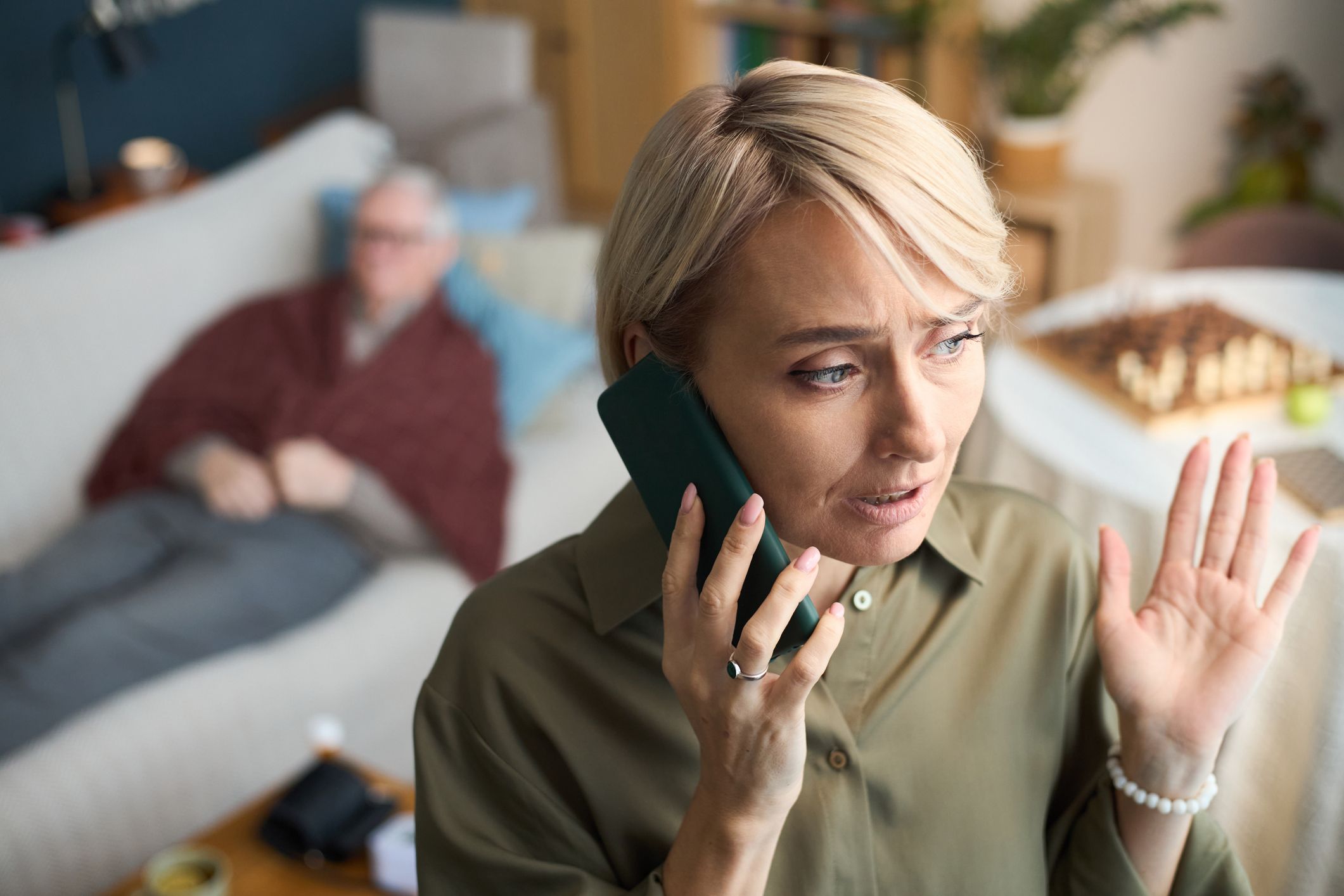
The warning signs, Wilks says, are specific: excessive fatigue, growing irritability over everyday frustrations and increasing social withdrawal. When all three begin showing up together, it’s time to reassess and talk with a healthcare professional.
For caregivers of loved ones with Alzheimer’s disease or related dementias, the stakes are even higher. Wilks says the research in this area is particularly sobering: compared to non-caregivers of similar age and background, Alzheimer’s caregivers have a life expectancy that can be three to seven years shorter.
“That’s the physical toll that it takes for caring for someone with Alzheimer’s disease or related dementias,” he said.
The risk compounds when caregivers already have existing health conditions of their own, which is common. Taking on the demands of caregiving doesn’t create new illnesses so much as it accelerates the ones already present, speeding up deterioration in ways that might otherwise have taken years longer.
What many caregivers don’t fully grasp is that neglecting their own health doesn’t just hurt them, it directly affects the person they’re caring for. Research shows a strong connection between caregiver health and care recipient health.
As caregivers become less healthy, the people depending on them often decline more quickly as well, making an earlier and unplanned move into long-term care more likely.
“You’re no good to anyone else if you don’t take care of yourself first.”
– Dr. Scott Wilks, director of LSU’s Healthy Aging Research Center
“Think about it like being on an airline flight. They always tell you to put your oxygen mask on first. There’s a reason for that because you’re no good to anyone else if you don’t take care of yourself first,” he said.
In practical terms, Wilks encourages caregivers to reclaim the simple habits they’ve quietly abandoned: staying hydrated, keeping their own doctor’s appointments, taking medications as prescribed and making time for even a short walk or a 20-minute break during the day.
On the financial side, he recommends speaking with a financial planner who has specific expertise in caregiving-related issues, and consulting an elder law attorney who can help with power of attorney, long-term planning and the legal decisions that often arrive without warning.
Socially, Wilks is direct: do not withdraw. The temptation to stay home, to skip plans, to tell yourself you don’t have the time is one of the most damaging patterns a caregiver can fall into. Even getting out once or twice a week — a support group, a walk, a phone call with a friend outside the caregiving world — makes a measurable difference.
“I promise you,” he said, “if you budget your time accordingly, even a few minutes here and there, they make a world of difference.”
For caregivers who feel like no one understands what they’re going through, Wilks points to organizations like the East Baton Rouge Council on Aging and Alzheimer’s Services of the Capital Area as starting points, not last resorts.
“The caregiver who is more socially engaged is far more likely to have a higher sense of self and purpose, to feel more positive about their day-to-day experiences, and to feel an increased level of health,” Wilks said. “You are not alone.”


