

For decades, orthopedic surgery has relied on a familiar set of tools: metal screws, plates and other hardware designed to stabilize injured bones and joints. They’ve been effective but not always ideal, sometimes irritating surrounding tissue, interfering with imaging and in some cases requiring a second surgery for removal.
Absorbable materials are an alternative, but they too have a potential downside, often lacking the strength needed for more demanding repairs.
A new generation of orthopedic technology now available in the Capital Region offers the best of both worlds, working with the body rather than around it.
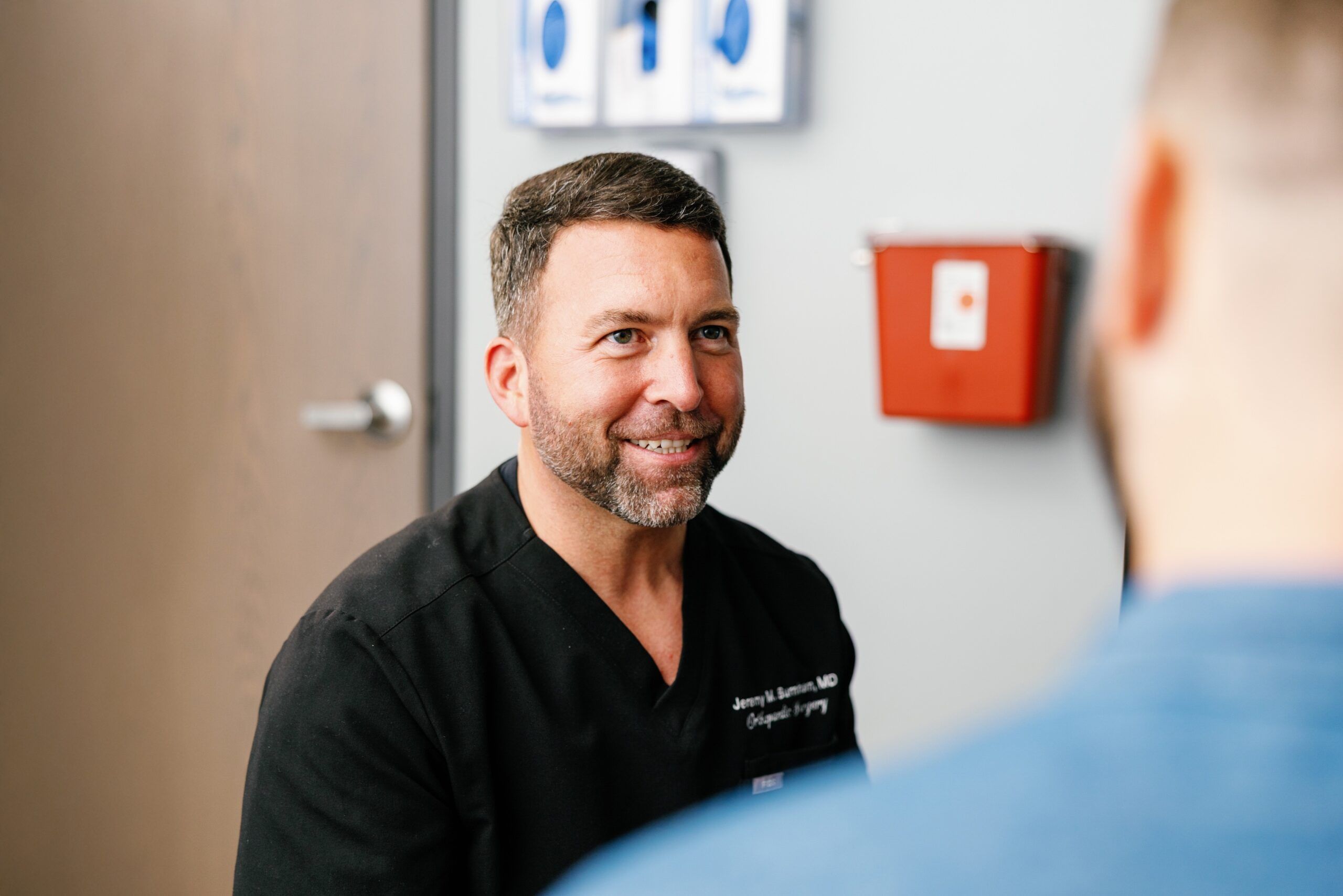
Jeremy Burnham, MD, a board-certified orthopedic surgeon at Ochsner Baton Rouge, is among the first in the region to offer one such innovation: the OSSIOfiber® KneeBar® procedure, which uses bio-integrative implants designed to become part of the patient’s own bone.
Unlike traditional implants, OSSIOfiber is made from a mineral-based fiber that mimics the structure and function of natural bone. At the time of surgery, it provides strength comparable to metal. Over time, it does something entirely different.
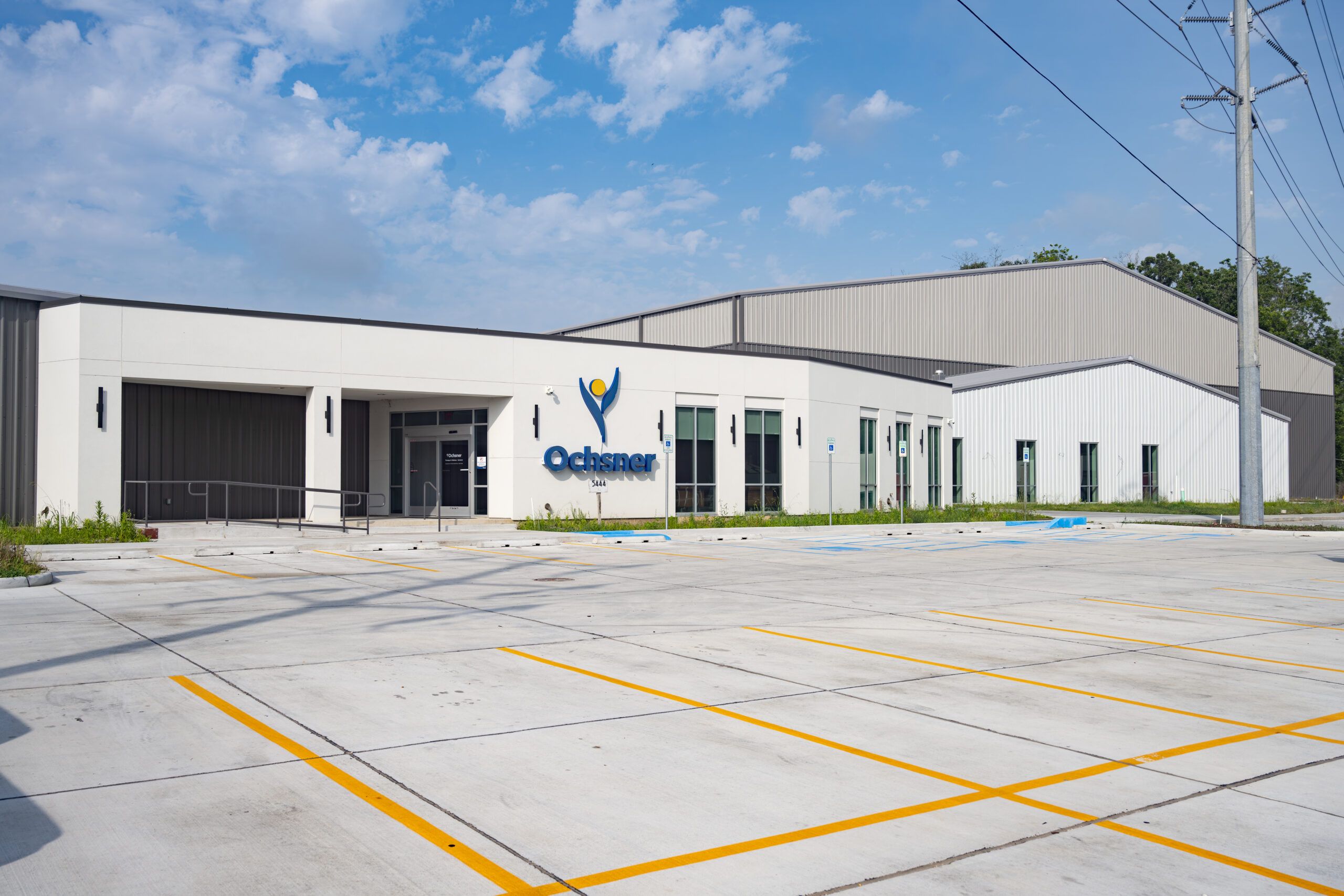
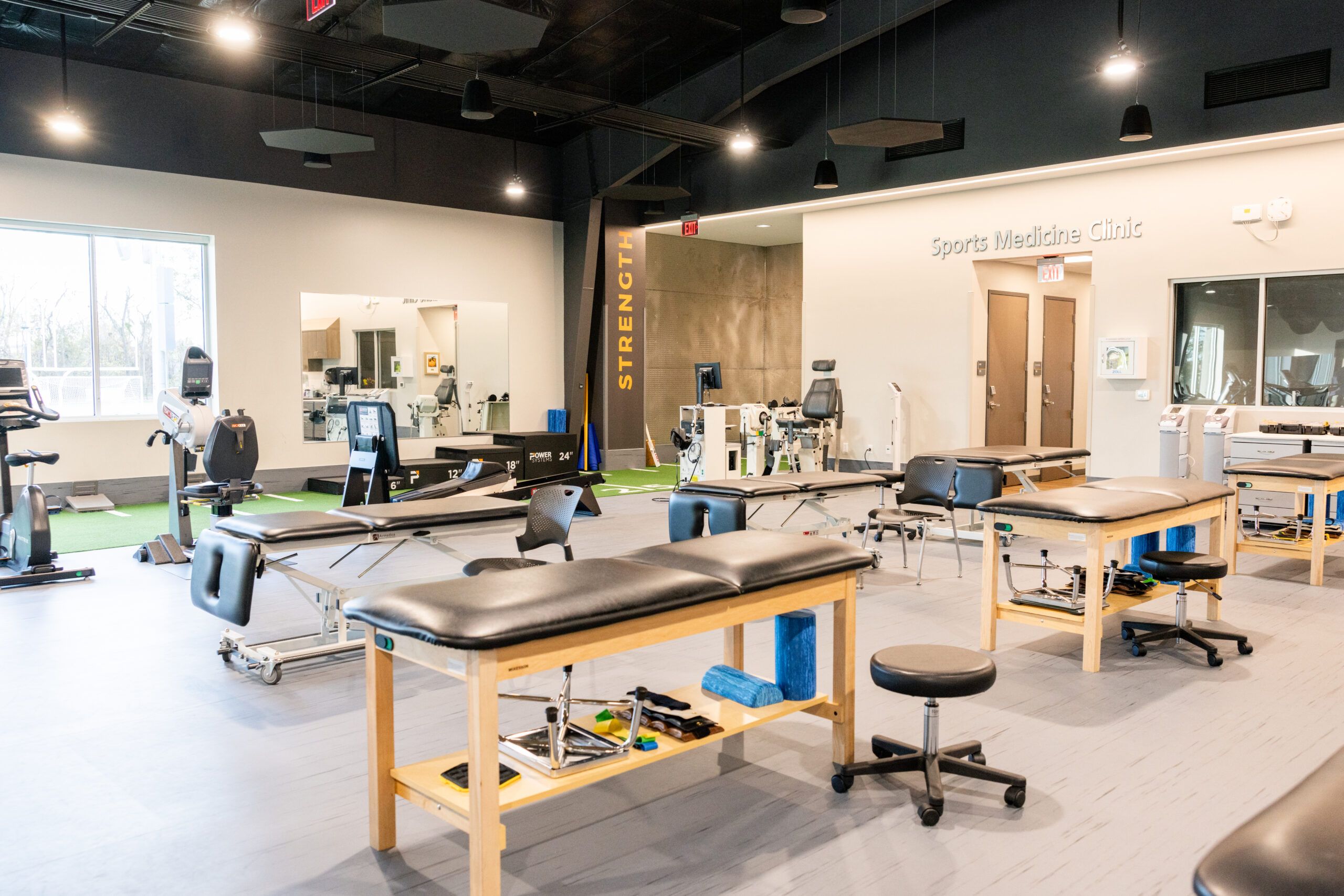
“The implant integrates directly into the patient’s own bone,” says Burnham, who is based at the Ochsner-Andrews Sports Medicine Institute at the Elite Training Complex on Burbank Drive. “Two years down the road, what you’re looking at on imaging is essentially normal bone. The implant has done its job, and the body has taken over.”
This process, known as bio-integration, represents a significant shift in orthopedic care. Rather than leaving behind permanent hardware or dissolving into the body, the implant is gradually replaced by healthy bone tissue.
That can eliminate one of the most common drawbacks of traditional procedures: the need for follow-up surgery to remove hardware.
The OSSIOfiber KneeBar procedure is particularly effective for patients with a specific type of injury known as a subchondral insufficiency fracture—essentially, a weakening and collapse of the bone beneath the cartilage, and often associated with arthritis.
These injuries can be debilitating, causing significant pain and limiting mobility. Until recently, treatment options were limited.
“In the past, we might have had to put patients on crutches for an extended period or consider knee replacement,” Burnham explains.
With the KneeBar approach, surgeons make small incisions and insert OSSIOfiber implants into the weakened area of bone, providing immediate structural support. Because the material is strong from day one, patients can often begin bearing weight much sooner than with traditional treatments.
“It stabilizes the bone and allows patients to get back on their feet more quickly,” Burnham says.
The benefits for patients are both practical and meaningful. The procedure is often performed on an outpatient basis, reducing time in the hospital and disruption to daily life. And because the implant becomes part of the bone, it avoids many of the long-term complications associated with metal hardware.
The result is a more natural healing process.
While the KneeBar procedure is currently most often used for middle-aged adults with arthritis-related knee issues, the underlying technology has broader applications. Burnham says OSSIOfiber implants are already being used in a range of procedures, including ACL reconstruction and other sports-related injuries, particularly in younger patients.
“In the past, if we used a metal implant in a younger patient, we might have to go back and remove it later,” he says. “Now we can use this and avoid that second surgery.”
Beyond any single procedure, bio-integrative implants reflect a larger trend in orthopedic medicine.
“The paradigm is shifting,” Burnham says.
Where previous generations of surgery often focused on replacing damaged parts with artificial materials, today’s approach is increasingly centered on preserving and supporting the body’s natural structures. That means smaller incisions, fewer foreign materials and treatments designed to help the body heal itself.
“I think we’re moving toward being more respectful of the patient’s own tissue,” Burnham explains.
Procedures like the OSSIOfiber KneeBar could have long-term benefits by keeping orthopedic patients active longer.
“I think it’s fair to say these types of procedures have the potential to delay knee replacement,” Burnham says.
That’s especially important as patients remain active later in life, seeking to maintain mobility and avoid major surgery for as long as possible.
For Capital Region patients, this type of advanced care is becoming more accessible closer to home than ever before. Burnham credits a deeply ingrained culture of innovation at Ochsner Health.
“Baton Rouge in conjunction with Ochsner has the potential to be a destination center for orthopedic and musculoskeletal care,” Burnham says. “The amount of innovation that is coming out of this region and this organization in the sports medicine and orthopedics realms is profound. The research our teams have been doing is getting recognized nationally and internationally.
“Ochsner is investing heavily in this effort, leading the way in finding the safest and most effective treatments for patients.”


