
For about 15 years, Ryan and Jessica Brooks have quietly built a real estate business around a group that has become increasingly important to Ascension Parish’s industrial economy: construction workers and skilled tradespeople who come to the area for weeks or months at a time.

They previously owned a grocery store that also offered check-cashing services. Construction workers would come in to cash their paychecks and would consistently ask about places to stay.
Eventually, the couple decided to purchase a rental property and see what would happen since there was an obvious need.
“That property stayed rented consistently all year long, and so we kept building from there,” Ryan says. “When we started, we had individual rentals all over, and now we bought a mobile home park, and it’s all we do in the mobile home park. We kind of grew it, and then transitioned it all to one place.”
Today, Bayou Francois has 15 units—10 three-bedroom, two-bath units and five one-bedroom, one-bath units. Construction workers often travel together, so groups can share larger units or stay in neighboring properties.
Most customers stay between one and three months, Ryan says, with Bayou Francois typically requiring a 30-day minimum. The property serves workers with jobs stretching along the industrial corridor from Highway 30 to Garyville and Donaldsonville.
Jessica describes the model as “midterm” housing, a niche which falls between the short-term rental market dominated by hotels and Airbnb-style properties and traditional residential rentals requiring longer leases.
“I think that’s a different niche in business, and that a lot of people have focused on Airbnb or short-term rentals; a lot of people are focused on long-term rentals, kind of like what we have on the residential side of our business,” Jessica says. “But there aren’t a lot of people focused on midterm rentals, and that is sort of a gap in the market.”
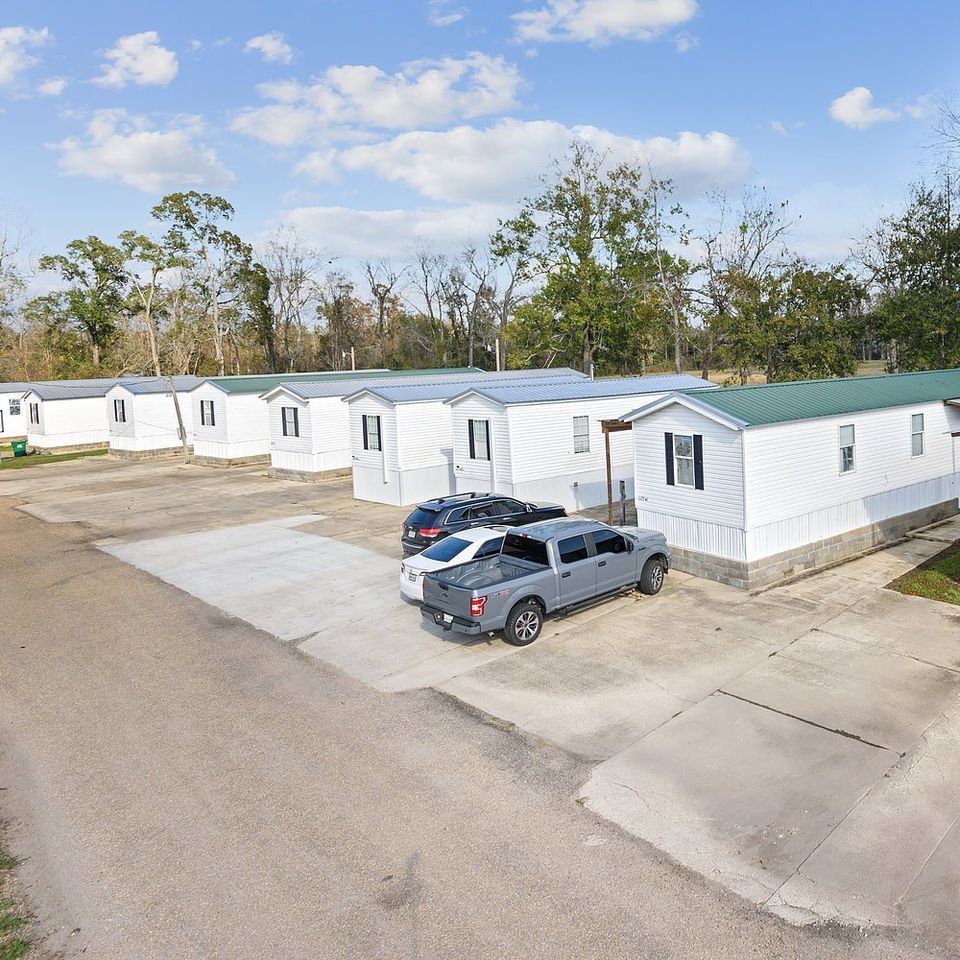
That gap is especially noticeable in Ascension Parish, where industrial facilities draw welders, pipefitters, electricians, instrumentation workers, and other tradespeople from outside the region for construction projects, plant turnarounds, and maintenance work.
For those workers, Jessica says, living in a hotel for weeks or months can present challenges that don’t exist in a furnished home.
“It’s really uncomfortable for a construction worker to stay in a hotel whenever they’re traveling,” she says. “They have cleaning crews that come into their bedrooms. Some of them work nights, and they’re trying to clean during the day, so they can’t do their laundry. They can’t cook a meal or have their wife come and visit them comfortably.”
The business has largely grown without traditional advertising. Ryan says word of mouth from previous guests has been enough to keep the units occupied.
Demand has remained relatively consistent even when major construction projects aren’t underway, because the area’s industrial plants regularly require maintenance, turnarounds and smaller expansion projects, according to Ryan.
Some temporary workers have even become permanent residents.
“We’ve also had a lot of customers come and stay with us on a weekly basis that got a permanent job here and transitioned into our long-term side,” Jessica says. “They eventually ended up moving here because there’s so much work going on and opportunity for them.”
The couple has firsthand experience with the demand generated by large industrial projects. Ryan says Bayou Francois remained full when CF Industries expanded its Donaldsonville complex in 2016. With additional projects planned around the Donaldsonville area, the couple expects another influx of workers.
They’ve also begun preparing the business for its next stage.
This summer, they added more technology to the business, developing a website and systems that let customers handle processes such as checking in online, similar to a hotel.
“We actually didn’t even think it would work,” Ryan says of the business. “But it has grown into something that we never thought it would get to.”
Bayou Francois is only one piece of the couple’s larger real estate operation, Brooks Ventures. In addition to the temporary housing units, they own about 50 traditional residential rental properties and four commercial units. They also buy, renovate and either rent or resell properties.
The commercial side is a newer focus. Jessica says they see opportunities to provide smaller office and warehouse spaces to contractors and other companies that support Ascension’s industrial plants.
“There are feeder companies that support those plants, and they need smaller office spaces or offsite locations where they can organize their businesses and then service the chemical plants,” she says. “We’re doing a lot of work in that area.”