Home Business Loren Scott: How the war in Iran could impact Louisiana’s energy economy

Loren Scott: How the war in Iran could impact Louisiana’s energy economy

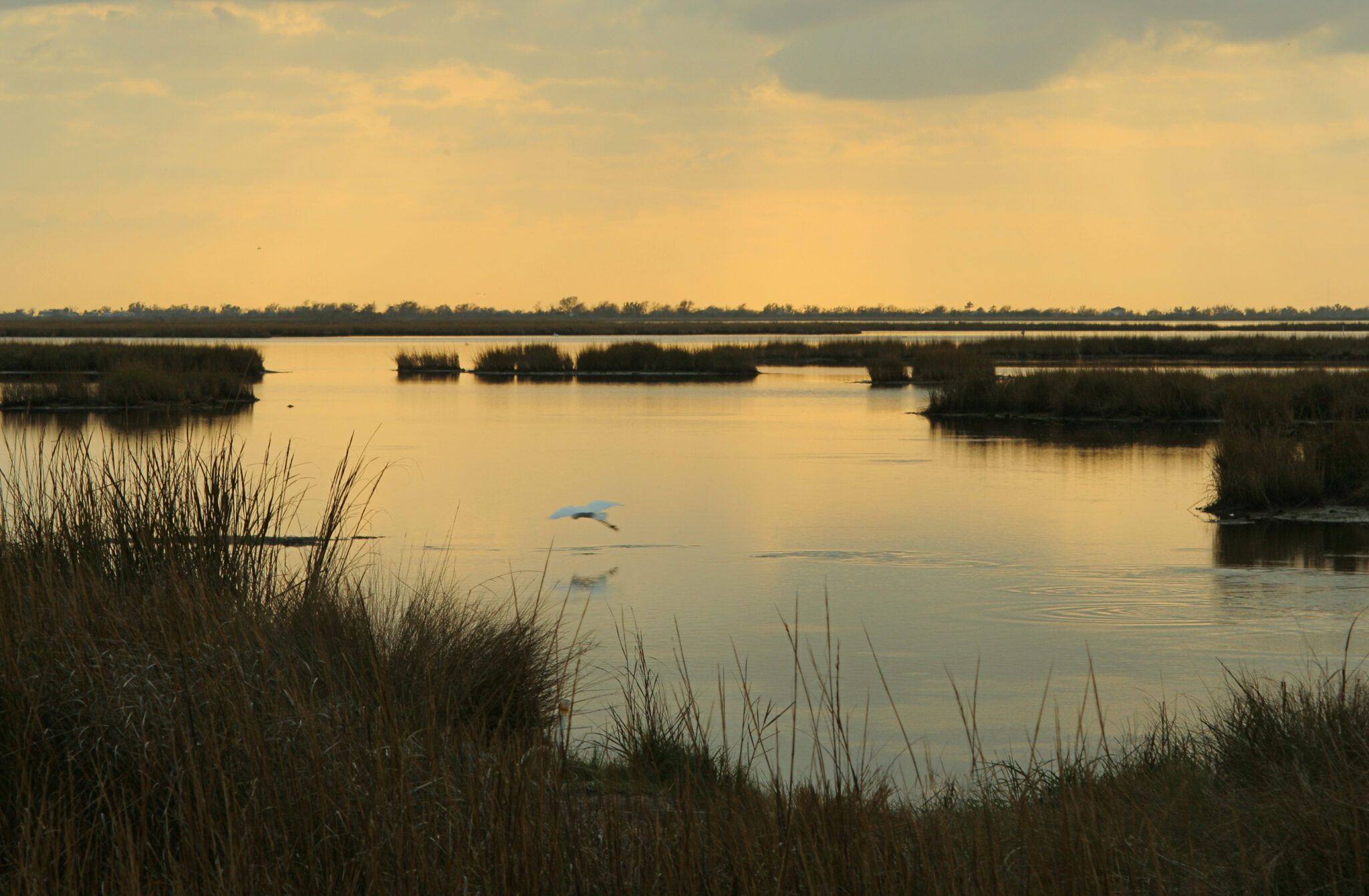
The Louisiana coast. (iStock.com/CarbonBrain)

As the war in Iran rattles global energy markets, local economist Loren Scott says the conflict could deliver unexpected upside for Louisiana’s economy.

“For an energy state like ours, I see this as a relatively positive thing,” Scott tells Daily Report.

The conflict has disrupted oil and natural gas flows through the Strait of Hormuz, a key chokepoint for roughly 20% of the world’s energy supply. As a result, fuel prices have spiked and concerns about long-term supply stability have heightened in many markets around the globe.

For Louisiana, however, that disruption may translate into opportunity—particularly in the state’s liquefied natural gas sector.

LNG demand could accelerate

According to Scott, the biggest beneficiary in Louisiana is likely to be the state’s LNG industry.

As global buyers look to reduce reliance on unstable Middle Eastern supply routes, they are increasingly turning to more stable sources like the U.S. Gulf Coast.

That shift could be especially significant for Louisiana, which is already the nation’s leading LNG exporter. Several large-scale LNG projects in the state are awaiting final investment decisions, and increased global demand could push developers to move forward more quickly.

“I think this is going to speed up some of the LNG projects that have been announced but have not issued FIDs,” Scott says.

Ripple effects

An LNG boost would have cascading effects across Louisiana’s energy economy, Scott says.

More LNG demand means more natural gas demand, which means more drilling in the Haynesville Shale in northwest Louisiana, one of the nation’s most important natural gas plays.

Increased drilling activity in the Haynesville Shale would, in turn, benefit pipeline and midstream companies that transport natural gas to the coast, where it is liquefied and exported.

“The Haynesville Shale is the closest natural gas play to the Gulf,” Scott says. “Otherwise they have to get their natural gas out of the Permian Basin in West Texas, which is a good bit farther away.”

Chemical manufacturing

The conflict is also widening a pricing gap that could make Louisiana more attractive for industrial investment. Natural gas prices have surged in Asia and Europe, while U.S. prices remain comparatively low.

That disparity could strengthen Louisiana’s position as a hub for energy-intensive manufacturing, particularly petrochemical plants.

“If you’re a chemical company and you make stuff out of natural gas and you’re trying to decide whether to build a plant in Germany where the price of natural gas is $14 per million BTU or to build it in Louisiana or Texas where the price of natural gas is $3 or $4 per million BTU, that is an easy decision,” Scott says.

Industrial construction

Any surge in LNG and petrochemical investment would naturally benefit Louisiana’s industrial construction sector. Companies that build large-scale energy and manufacturing facilities—many of which are headquartered in Louisiana—stand to see increased demand.

“They’re going to have more than they can say grace over,” Scott says.

Scott adds that such projects tend to generate strong economic ripple effects. Increased construction demand leads to higher wages for construction workers, which leads to increased spending in local economies. Increased spending in local economies leads to higher wages across the board, which leads to even more spending.

“That’s what economists refer to as the multiplier effect,” he says.

Oil prices may have limited long-term impact

The conflict has driven up oil prices, which some might think would boost offshore drilling activity in the Gulf. But Scott says the impact may be more muted than many expect.

Global markets appear to be viewing the current price spike as temporary. That means the Gulf, which has seen a sharp decline in active rig counts over the past decade, may not see a major resurgence from this conflict alone.

“The Gulf needs a shot in the arm, and higher prices are usually key to that, but I don’t think the market is going to perceive this as a permanent enough increase for them to do a whole lot more in the Gulf over a long period of time,” Scott says.

Exit mobile version